
Does My Child Need a Child Hearing Test? Signs to Watch For
Book An Ear wax Removal for only $120
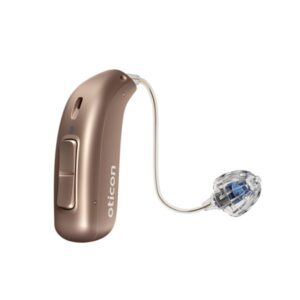
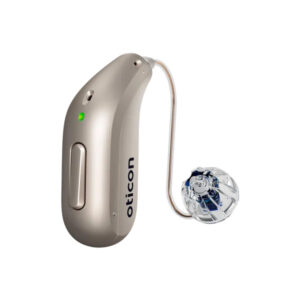
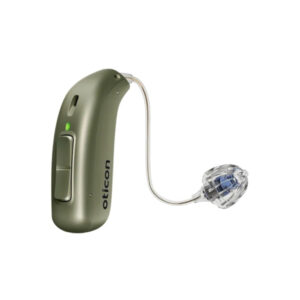
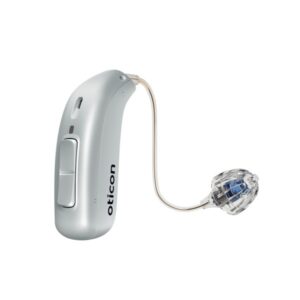
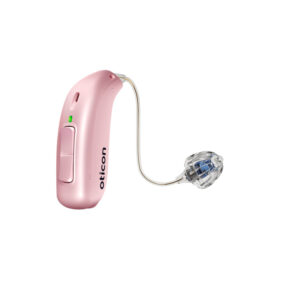
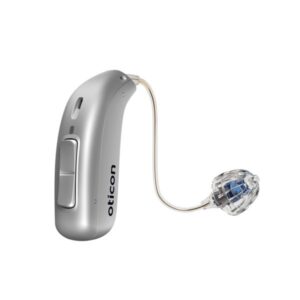
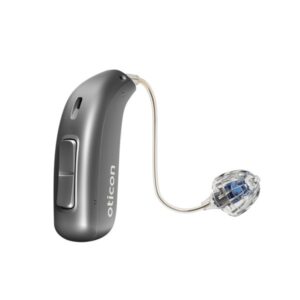
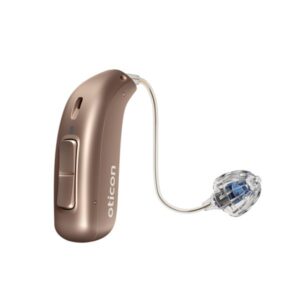

As parents, one of our primary concerns is the health and well-being of our children. Hearing plays a crucial role in a child’s development, impacting their ability to learn, communicate, and socialise. Understanding whether your child needs a hearing test can be challenging, especially if you are unfamiliar with the signs to watch for. This article will guide you through the essential information on pediatric hearing tests and when to seek the expertise of an audiologist.
Understanding the Importance of Child Hearing Tests
Why Are Hearing Tests Vital for Children?
Child hearing tests are vital because they help identify and manage any hearing issues early on. Early detection of hearing problems can significantly influence a child’s language development, learning capabilities, and social skills. Untreated hearing loss can result in delays in speech and language development, academic difficulties, and social isolation.
The Role of an Audiologist
An audiologist is a healthcare professional specialising in diagnosing and managing hearing and balance disorders. When you suspect that your child may have hearing issues, consulting an audiologist is a crucial step. They perform specialised tests to determine the type and degree of hearing loss and recommend appropriate treatment plans.
Signs That Your Child Might Need a Hearing Test

Infants
For infants, hearing is vital for learning how to speak and understand language. Here are some signs that may indicate your infant needs a hearing test:
- Lack of response to loud noises: If your infant doesn’t startle at loud sounds, it could indicate a hearing issue.
- Not turning toward sounds: By six months, infants should be able to turn their heads toward sounds.
- No response to their name: By 12 months, your child should respond to their name or familiar sounds.
Toddlers and Preschoolers
As children grow, their hearing remains a critical component in their ability to learn and communicate. Signs that your toddler or preschooler may need a hearing test include:
- Delayed speech development: If your child is not speaking as much as their peers, it could be due to hearing issues.
- Difficulty following directions: Children who cannot hear instructions clearly may struggle to follow them.
- Hearing loss can cause inattention and learning difficulties, as individuals may struggle to hear instructions or participate in classroom discussions.
- Frequent ear infections: Recurrent ear infections can lead to temporary or permanent hearing loss if left untreated.
School-Aged Children
For school-aged children, hearing is essential for academic success and social interaction. Watch for these signs:
- Trouble hearing in noisy environments: If your child struggles to listen to you in a loud environment, it may indicate hearing difficulties.
- Turning up the volume on electronic devices: Children who consistently require higher volumes may have hearing issues.
- Frequently asking for repetition: If your child often asks people to repeat themselves, it might be a sign of hearing loss.
- Poor academic performance: Difficulty hearing can lead to misunderstandings in the classroom and poor educational outcomes.
Types of Hearing Tests for Children
Different hearing tests are available, depending on the child’s age and development level. Here are some common types:
Infant Hearing Test
For newborns and infants, hearing tests are often conducted shortly after birth. These tests are non-invasive and typically include:
- Otoacoustic Emissions (OAE) Test: Measures sound waves produced in the inner ear.
- Auditory Brainstem Response (ABR) Test: Evaluates how the hearing nerve responds to sounds.

Pediatric Hearing Test
For older children, the following tests may be used:
- Pure Tone Audiometry: The child listens to various tones through headphones and responds when they hear a sound.
- Play Audiometry: Utilises a game-like format to test hearing, making it suitable for younger children who may struggle with traditional tests.
- Speech Audiometry: Assesses how well a child can hear and understand speech.
What to Expect During a Visit to a Castle Hill Audiologist
Visiting an audiologist in Castle Hill can provide you with the professional assessment needed to understand your child’s hearing health. Here’s what to expect:
- Initial Consultation: The audiologist will discuss your child’s medical history and any concerns you have.
- Hearing Evaluation: Depending on your child’s age, the audiologist will choose the appropriate hearing test.
- Results Discussion: After the tests, the audiologist will discuss the results and recommend next steps, whether it’s monitoring, intervention, or treatment.
When to Seek Professional Help
If you notice any signs of hearing loss in your child, it is essential to consult an audiologist as soon as possible. Early intervention can make a significant difference in your child’s development and quality of life. A Castle Hill audiologist can provide the expertise and support needed to manage your child’s hearing health effectively.
Conclusion
Hearing is a critical part of your child’s development, and recognising the signs of hearing loss early can prevent potential issues in speech, learning, and social interactions. By understanding the importance of hearing tests and knowing when to consult an audiologist, you can ensure your child receives the care they need. If you’re in the Castle Hill area, seeking a qualified audiologist can help put your mind at ease and support your child’s thriving.
Remember, proactive steps today can safeguard your child’s ability to hear and communicate tomorrow. Stay vigilant, and don’t hesitate to reach out for professional advice when needed.