
Tips for Choosing the Right Hearing Aid Battery
Book An Ear wax Removal for only $120
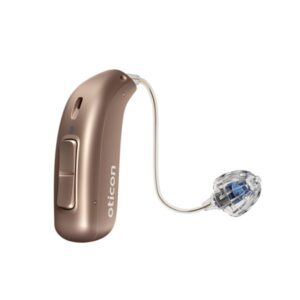
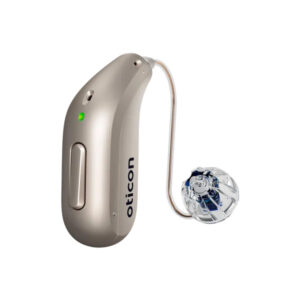
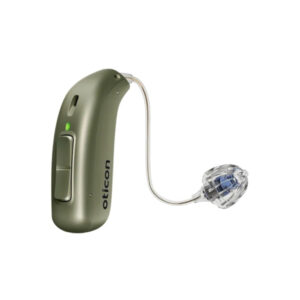
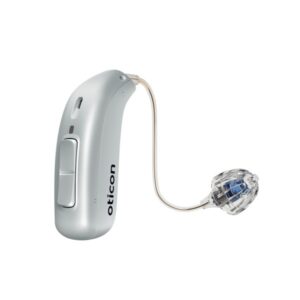
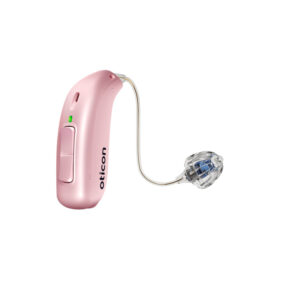
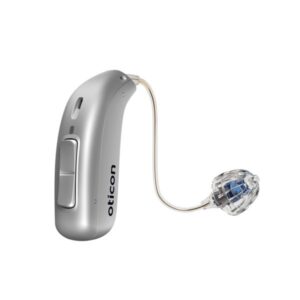
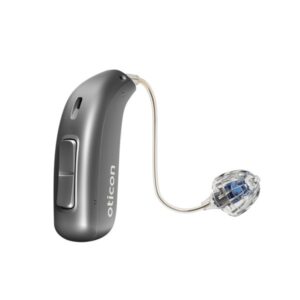
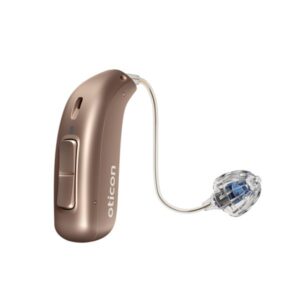
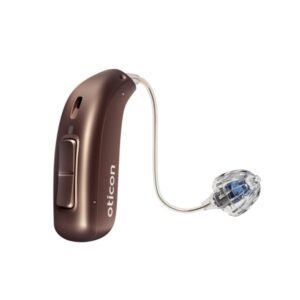
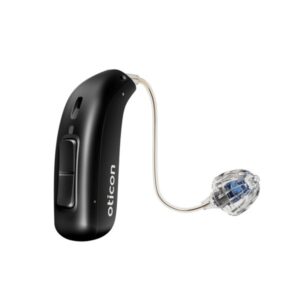
Selecting the right battery for your hearing aid can significantly impact the performance and lifespan of your device. With various options available, it’s essential to understand the differences and make an informed choice. In this guide, we’ll cover everything you need to know about hearing aid batteries, including types, lifespan, and tips for maximizing efficiency.

Understanding hearing aid battery Types
Hearing aid batteries come in several sizes and types, each designed to fit specific hearing aids. The most common types are labeled by number and color for easy identification. Here are the primary types you’ll encounter:
Battery Sizes and Their Uses
- Size 10 (Yellow): These are the smallest hearing aid batteries, typically used in mini hearing aids or in-the-ear (ITE) models.
- Size 312 (Brown): Known for their compact size, 312 batteries are widely used in behind-the-ear (BTE) and in-the-canal (ITC) hearing aids.
- Size 13 (Orange): These batteries are slightly larger and are generally used in BTE hearing aids that require more power.
- Size 675 (Blue): The largest of the standard sizes, these are used in high-power BTE hearing aids, often for those with severe hearing loss.
Zinc-Air Technology
Most modern hearing aid batteries are zinc-air batteries, known for their efficiency and reliability. They are activated by exposure to air, which means they come with a tab that must be removed before use. This technology offers high energy density, making them ideal for small devices that require a lot of power. Zinc-air batteries also provide a stable voltage, ensuring consistent performance for your hearing aid. Their compact size and long-lasting power make them a preferred choice for many hearing aid battery users.
How Long Should a Hearing Aid Battery Last?
The lifespan of a hearing aid battery depends on several factors, including the type of hearing aid, the battery size, and your usage patterns. Here’s a general idea of how long different sizes typically last:
- Size 10: Typically lasts between 3 to 7 days.
- Size 312: Generally functions for 3 to 10 days.
- Size 13: Offers a lifespan of approximately 6 to 14 days.
- Size 675: Known to last between 9 to 20 days.
Factors Influencing Battery Life
- Device Features: Advanced features like Bluetooth connectivity or noise reduction can drain batteries faster.
- Usage Time: The more you use your hearing aids, the quicker the batteries will deplete.
- Environmental Conditions: Humidity, altitude, and temperature can affect battery performance.
Tips for Maximizing Battery Life
To get the most out of your hearing aid batteries, consider the following tips:
Allow the Battery to Breathe
Once you remove the tab from a zinc-air battery, allow it to sit exposed to the air for about five minutes before inserting it into your hearing aid. This waiting period, known as activation time, helps ensure the battery reaches its full voltage.
Store Batteries Properly
Keep unused batteries in a dry, room-temperature environment. Avoid storing them in the refrigerator, as extreme temperatures can damage them.
Turn Off Hearing Aids When Not in Use
When you’re not using your hearing aids, turn them off or open the battery compartment to prevent unnecessary battery drain.
Choosing the Right Battery for Your Hearing Aid
Choosing the right hearing aid battery is essential for ensuring your device functions optimally, providing clear sound quality and lasting performance. When selecting a battery, consider the following:
Compatibility
Ensure the battery size is compatible with your hearing aid model. Check the user manual or consult your hearing care professional if you’re unsure.
Brand and Quality
Invest in reputable brands known for quality and reliability. While generic or cheaper options may be tempting, they can sometimes lead to inconsistent performance.
Purchasing Options
You can find hearing aid batteries in local stores, online, or through your hearing care provider. Look for bulk purchasing options to save money in the long run.
Sudden Hearing loss?
Book in to see a professional Audiologist now!
Early intervention is key to treatment of sudden hearing loss. Urgent appointments are available on
the same day for sudden loss of hearing. Please call.
Troubleshooting Common Battery Issues
Despite best efforts, you may encounter issues with hearing aid batteries. Here are some common problems and solutions:
Battery Drains Quickly
Solution: Check for moisture in the battery compartment, as it can cause rapid drainage. Dry it out carefully if needed.
Hearing Aid Isn’t Working
Solution: Ensure the battery is inserted correctly. Test with a new battery to rule out a faulty unit.
Battery Swells or Leaks
Solution: Discontinue use immediately and replace the battery. Dispose of old batteries properly.
Conclusion
Choosing the right hearing aid battery is crucial for optimal device performance. By understanding the types, lifespan, and ways to extend battery life, you can ensure your hearing aids function reliably. Be proactive about maintenance and always have spare batteries on hand. Your hearing aids are an essential part of your daily life—keeping them powered is key to staying connected to the world around you.