
Is It Time to See an Audiologist in Sydney? Here's How to Tell
Book An Ear wax Removal for only $120
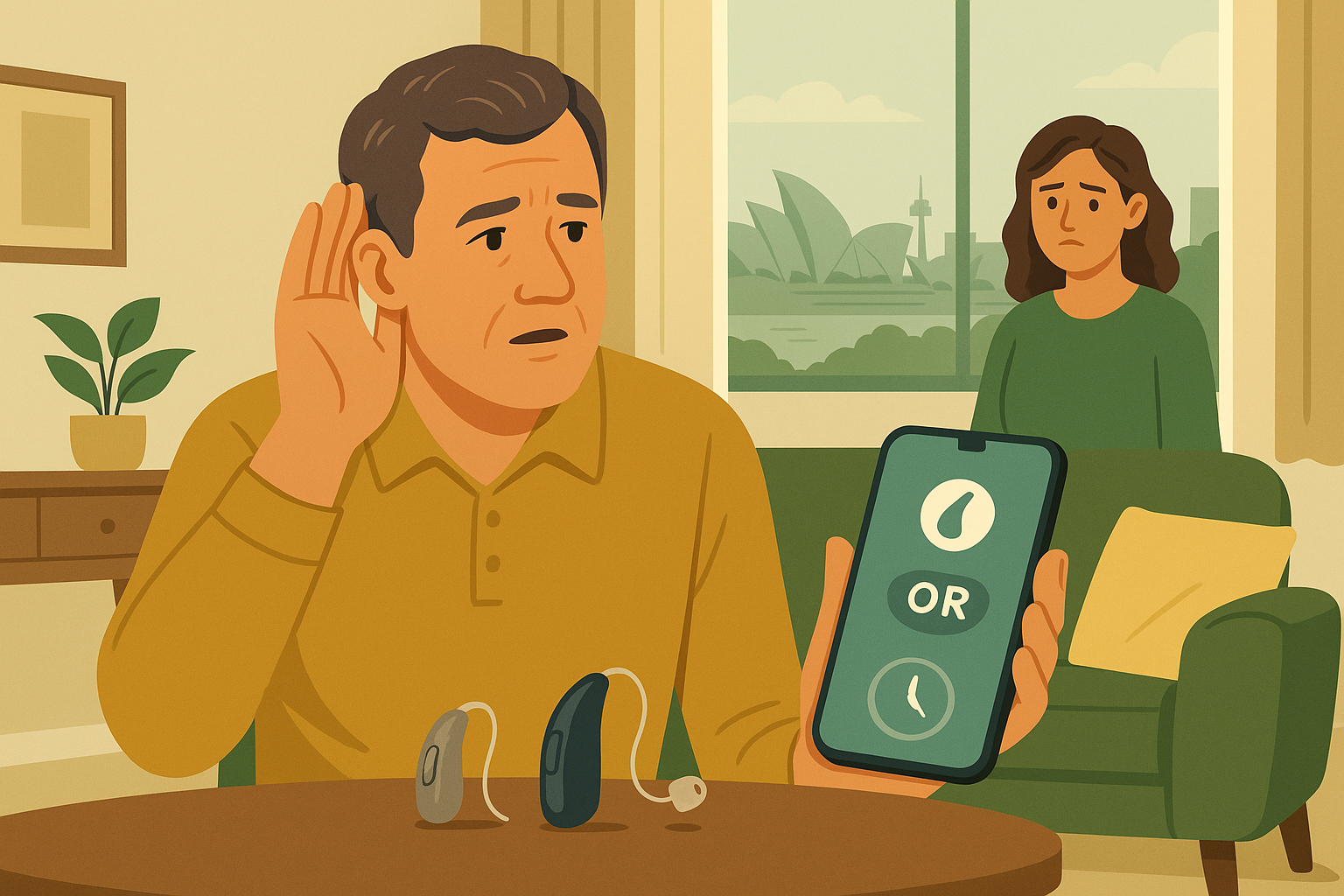
Hearing is one of the senses that often goes unnoticed until it starts to fade. If you’re living in Sydney and wondering whether it’s time to consult an audiologist, you’re not alone. Many people delay seeking help, thinking their hearing issues aren’t severe enough to warrant professional attention. But how do you know when it’s time to see an audiologist? Let’s delve into the signs and benefits of consulting a hearing specialist in Sydney.
Hearing loss can occur gradually, and its signs might be subtle at first. It’s essential to understand the symptoms to ensure timely intervention. Hearing difficulties can stem from various causes, including age, exposure to loud noises, or even medical conditions. Recognising the signs early can make a significant difference in managing and treating hearing loss.
Common Signs of Hearing Loss
- Difficulty Understanding Conversations: Do you often find yourself asking people to repeat what they’ve said? Struggling to follow conversations, especially in noisy environments, is a common sign of hearing loss.
- Increasing the Volume: If you’re frequently turning up the volume on your TV or radio, it might be more than just personal preference. It could indicate that your hearing isn’t as sharp as it used to be.
- Ringing in the Ears: Known as tinnitus, ringing or buzzing in the ears is a prevalent symptom that might suggest hearing issues.
- Avoidance of Social Situations: If you find yourself avoiding social gatherings because it’s challenging to hear, it could be time to see a hearing specialist.
- Trouble on the Phone: Difficulty hearing over the phone can be another indicator of hearing loss.
Why See an Audiologist?
An audiologist is a healthcare professional specialising in diagnosing and treating hearing and balance disorders. They can provide a comprehensive evaluation of your hearing and recommend appropriate interventions, including hearing aids if necessary.
Benefits of Consulting an Audiologist
- Accurate Diagnosis: An audiologist can perform a series of tests to determine the extent and nature of your hearing loss.
- Personalised Treatment Plans: Depending on your diagnosis, an audiologist can suggest a tailored plan to suit your specific needs, which may include hearing aids or other assistive devices.
- Professional Guidance: Audiologists can guide you through the process of selecting the right hearing aids, ensuring they fit correctly and are appropriately adjusted to meet your individual hearing needs.
- Ongoing Support: Regular follow-ups with an audiologist can help monitor your hearing and make necessary adjustments to your treatment plan over time.
Finding an Audiologist in Sydney
If you’ve recognised the signs of hearing loss, the next step is finding a reputable audiologist in Sydney. Searching for “audiologist near me” can provide a list of professionals in your area. Here are some tips to help you choose the right hearing specialist:
What to Look for in an Audiologist
- Credentials and Experience: Ensure the hearing specialist is certified and has experience dealing with a range of hearing issues.
- Range of Services: A good hearing specialist should offer comprehensive services, from hearing tests to fitting hearing aids.
- Patient Reviews: Check online reviews or ask for recommendations to gauge the experiences of other patients.
- Location and Accessibility: Choose a hearing specialist whose clinic is conveniently located and easily accessible from your home or workplace.
- Follow-up Care: Ensure the hearing specialist provides ongoing support and follow-up appointments to adjust your treatment as needed.
The Role of Hearing Aids in Managing Hearing Loss
Hearing aids are a common solution for those experiencing hearing loss. They amplify sounds, making it easier to hear and understand speech and other sounds. If your audiologist recommends hearing aids, they will help you choose the right type based on your hearing needs and lifestyle.
Types of Hearing Aids
- Behind-the-Ear (BTE): These hearing aids are worn behind the ear and are suitable for a wide range of hearing loss.
- In-the-Ear (ITE): Custom-made to fit within the outer ear, these are less visible and can be used for mild to severe hearing loss.
- In-the-Canal (ITC) and Completely-in-the-Canal (CIC): These are among the smallest hearing aids, fitting inside the ear canal. They’re less noticeable but may not be suitable for severe hearing loss.
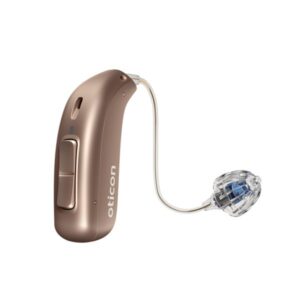
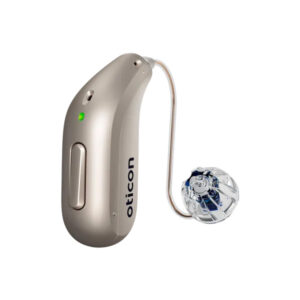
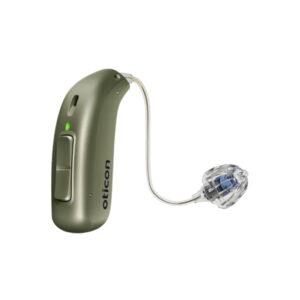
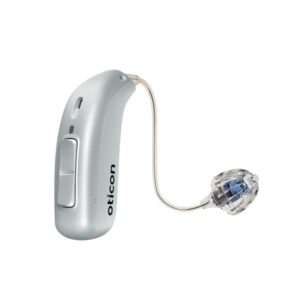
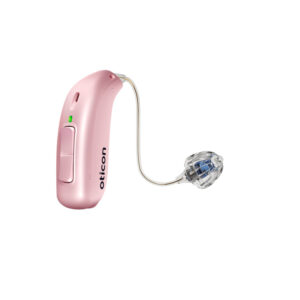
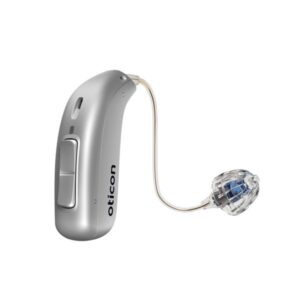
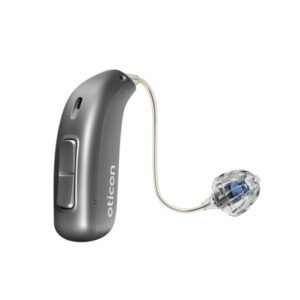
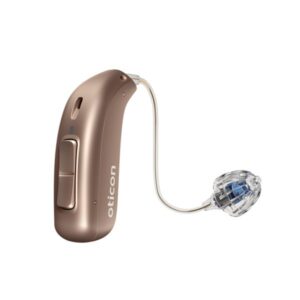
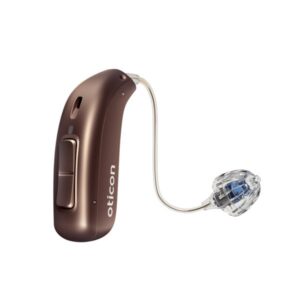
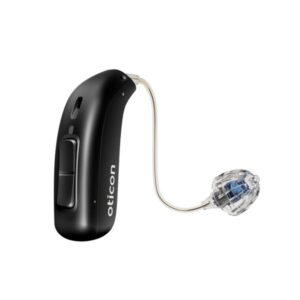
- Receiver-in-Canal (RIC): These have a small case behind the ear connected to an earpiece by a thin wire. They offer a comfortable fit and are suitable for mild to moderate hearing loss.
Benefits of Hearing Aids
- Improved Communication: Hearing aids make it easier to understand speech, reducing the need for repetition and improving communication in all settings.
- Enhanced Quality of Life: With better hearing, you can enjoy social activities and feel more confident in various environments.
- Customizable Features: Modern hearing aids come with features like noise reduction, directional microphones, and connectivity to smartphones and other devices.
Conclusion
If you’re experiencing signs of hearing loss, don’t delay in seeking help. Consulting an audiologist in Sydney can provide you with a clear understanding of your hearing health and offer solutions to improve your quality of life.
By taking action early, you can ensure that you remain connected to the world around you, enjoying the sounds and conversations that make life rich and fulfilling. Remember, hearing health is an integral part of your overall well-being. Take the first step today by finding an “audiologist near me” and scheduling a consultation.