
Adult Hearing Assessment: Clinical Standards in Sydney
Book An Ear wax Removal for only $120
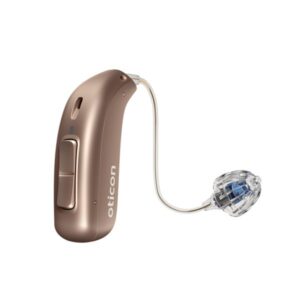
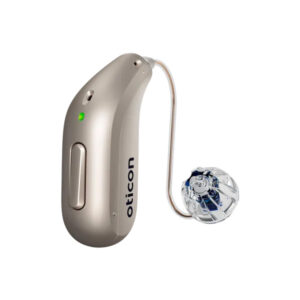
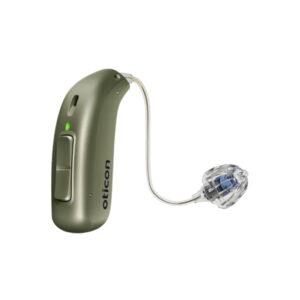
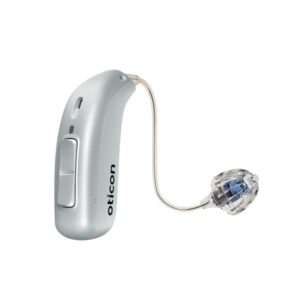
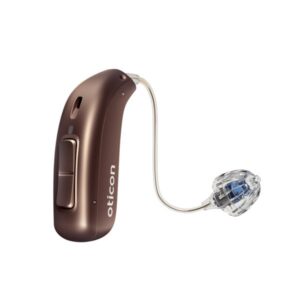
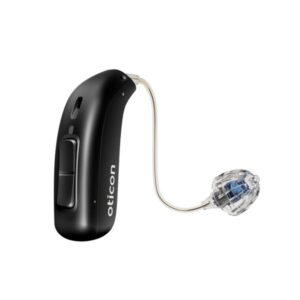
An adult hearing assessment is more than a quick screening. When conducted according to clinical standards, it provides a detailed understanding of hearing ability, identifies possible causes of hearing loss, and guides appropriate management.
In Sydney, many adults seek assessment after noticing subtle communication changes. However, understanding what a clinically sound evaluation involves helps ensure you receive accurate and reliable results.
What Is an Adult Hearing Assessment?

An adult hearing assessment is a structured clinical process designed to measure hearing sensitivity, speech clarity and overall ear health.
Unlike informal online hearing checks, a comprehensive assessment follows evidence-based protocols. These standards ensure results are consistent, reproducible and medically valid.
The goal is not simply to determine whether hearing loss exists, but to understand its type, degree and potential impact on daily life.
Why Clinical Standards Matter
Clinical standards exist to protect patients. They ensure that hearing assessments are conducted using calibrated equipment, controlled testing environments and validated procedures.
Without proper standards, results may be inaccurate or misleading.
A qualified audiologist Sydney professional adheres to these protocols to ensure that findings reflect true hearing ability rather than environmental interference or equipment error.
Components of a Comprehensive Assessment
A clinically sound adult hearing assessment typically includes several steps.
Case History
The process begins with a detailed discussion about symptoms, medical history, noise exposure and communication challenges. This information guides the choice of tests performed.
Otoscopic Examination
The ear canal and eardrum are examined to rule out blockages, infection, or structural concerns.
Pure Tone Audiometry
This test measures the softest sounds you can hear at different frequencies. Results are recorded on an audiogram, which visually represents hearing thresholds.
Speech Testing
Speech audiometry evaluates how clearly you understand spoken words, both in quiet and sometimes in background noise. This provides practical insight into real-world listening ability.
Middle Ear Testing
Tympanometry may be used to assess middle ear function and detect fluid, pressure issues or eardrum movement abnormalities.
Together, these components form a complete picture of hearing health.
Identifying the Type of Hearing Loss
Clinical assessment helps determine whether hearing loss is:
Sensorineural (inner ear or nerve-related)
Conductive (middle ear-related)
Mixed (combination of both)
This distinction is important because management differs depending on the underlying cause.
A Sydney audiologist uses these findings to recommend evidence-based next steps.
When Should Adults Book an Assessment?
Many adults delay testing because hearing changes often occur gradually. However, certain signs suggest it is time for evaluation.
You may benefit from an adult hearing assessment if you notice:
Difficulty hearing in noisy environments
Frequently asking others to repeat themselves
Ringing in the ears
Turning up the television volume
Feeling fatigued after conversations
Even without obvious symptoms, adults over 50 are encouraged to undergo periodic testing to establish a baseline.
National organisations such as Hearing Australia emphasise that adult hearing loss is common and often develops gradually, making early testing important even when symptoms seem mild. Their clinical guidance reinforces that timely assessment improves long-term communication outcomes and overall quality of life.
What Happens After the Assessment?
Once testing is complete, results are explained clearly. If hearing loss is identified, management options may include:
Monitoring over time
Hearing device recommendations
Communication strategies
Referral to a medical specialist if required
Clinical standards ensure that recommendations are based on measurable findings rather than assumptions.
The Importance of Accurate Diagnosis
Accurate diagnosis supports better outcomes. Misinterpretation of hearing ability can delay appropriate intervention or lead to unnecessary treatment.
A properly conducted adult hearing assessment ensures that hearing loss is identified early and managed appropriately.
This is particularly important in busy urban environments like Sydney, where noise exposure is common.
Choosing Evidence-Based Hearing Care
When seeking care, it is important to choose a provider who prioritises evidence-based practice.
A reputable audiologist Sydney clinic follows professional guidelines, maintains calibrated equipment and ensures ongoing professional development.
Clear communication and transparent explanation of results are also essential components of quality care.
Final Thoughts
An adult hearing assessment conducted according to clinical standards provides clarity, accuracy and confidence.
For Sydney residents experiencing changes in hearing, seeking professional evaluation is a proactive step toward maintaining communication and overall well-being.
Hearing health is not just about detecting loss. It is about ensuring assessments are thorough, reliable, and grounded in established clinical principles.