
What Level Of Hearing Loss Requires A Hearing Aid?
Book An Ear wax Removal for only $120
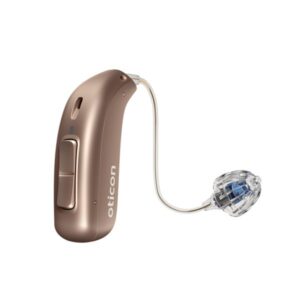
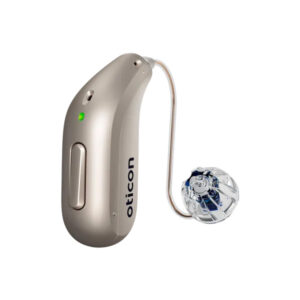
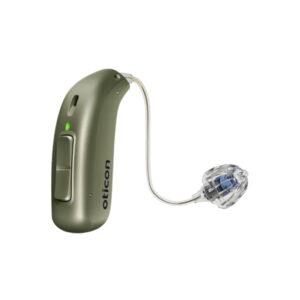
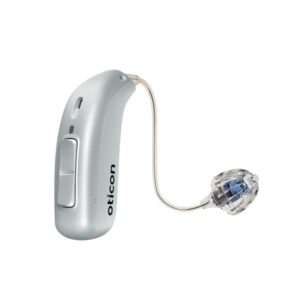
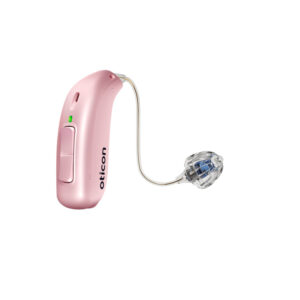
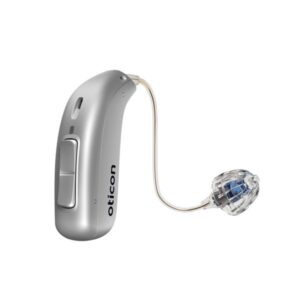
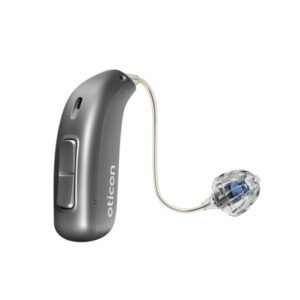
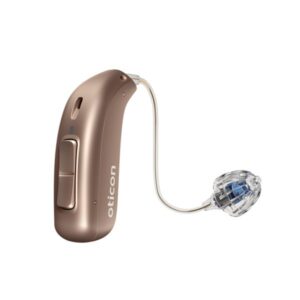
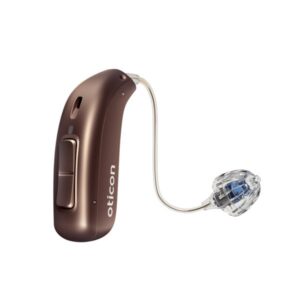
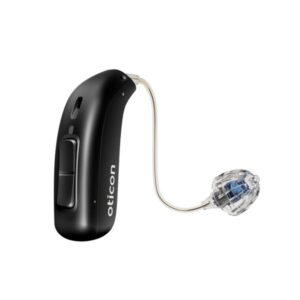
Oticon Hearing Aid
When Hearing Aids Help
Hearing loss can be a challenging experience, affecting not only the ability to hear but also impacting social interactions and quality of life. It is a condition that can lead to feelings of isolation and frustration, as communication becomes increasingly difficult. One in six Australians experiences hearing loss, and according to government estimates, this is set to rise to 1 in 4 by 2050.
Understanding when it is time to consider a hearing aid is essential, as early intervention can significantly improve one’s ability to engage in daily activities. This article will guide you through the different levels of hearing loss, helping you decide if a hearing aid might be necessary for you or a loved one. By recognising the signs early, individuals can take proactive steps to address their hearing needs and enhance their overall well-being.
Understanding Hearing Loss Levels
Hearing loss is categorised into levels or degrees based on the severity of the impairment. These levels help audiologists determine the best course of action, including whether a hearing aid is necessary. Each level represents a range of sounds that an individual can no longer hear, and this can greatly impact communication and interaction with the world. Understanding these levels can empower individuals to make informed decisions about their hearing health and seek the appropriate solutions to enhance their auditory experience.
Degrees of Hearing Loss
- Mild Hearing Loss: People with mild hearing loss may have trouble hearing soft sounds and conversations, especially in noisy environments. This level of loss ranges from 26 to 40 decibels (dB). For example, you might miss some words in a conversation but can still follow the gist. Individuals may notice difficulty hearing whispers or distant voices, which can lead to misunderstandings in group settings or during phone calls. Although it may not seem severe, mild hearing loss can gradually affect one’s confidence in social situations, prompting the need for a hearing assessment.
- Moderate Hearing Loss: At this level, hearing loss ranges from 41 to 55 dB. Conversations in quiet environments may be difficult to follow without asking people to repeat themselves. Hearing aids can be particularly beneficial at this stage, as they amplify sounds and help distinguish speech from background noise. This level of hearing loss often leads to increased fatigue as individuals strain to hear, and it can also result in avoidance of social gatherings due to the effort required to engage.
- Moderately Severe Hearing Loss: This level ranges from 56 to 70 dB. Without a hearing aid, following a conversation becomes extremely challenging, even in quiet settings. Hearing aids are typically recommended to help with daily communication, allowing individuals to participate in conversations without constant repetition. This degree of hearing loss can significantly impact professional and personal relationships, as important auditory cues are missed, leading to potential misunderstandings.
- Severe Hearing Loss: Severe hearing loss spans from 71 to 90 dB. Individuals may only hear loud noises and struggle with conversation without the assistance of a hearing aid or other amplification devices. At this level, even shouting may not be sufficient for clear communication, and individuals often rely heavily on visual cues or lip reading. The social implications are profound, as communication barriers can lead to withdrawal and feelings of isolation.
- Profound Hearing Loss: This is the most significant level of hearing loss, at 91 dB and above. Communication without amplification is difficult, and hearing aids or cochlear implants are often necessary to aid in hearing. Profound hearing loss can result in a complete reliance on non-verbal communication methods, such as sign language, and can affect educational and employment opportunities without proper support. Early intervention and the use of advanced hearing technologies can greatly enhance the quality of life for those with profound hearing loss.
When Do You Need a Hearing Aid?
Determining the need for a hearing aid depends on the level of hearing loss and the impact it has on daily life. Here are some guidelines to help you decide:
Mild to Moderate Hearing Loss
For mild to moderate hearing loss, hearing aids can significantly improve the ability to hear soft sounds and understand speech, especially in noisy environments. If you find yourself frequently asking people to repeat themselves or struggling to keep up with conversations, it might be time to consider a hearing aid. These devices can help bridge the gap in hearing, making it easier to enjoy social gatherings, work meetings, and entertainment. Additionally, addressing hearing loss early can prevent further deterioration and help maintain cognitive function by keeping the brain engaged with auditory stimuli.
Moderately Severe Hearing Loss
At this stage, a hearing aid is often necessary to engage in conversations and hear important sounds. Without amplification, communication can be frustrating for both the individual with hearing loss and those around them. The struggle to hear can lead to misunderstandings and miscommunications, causing frustration and potential conflict in relationships. A hearing aid can alleviate these issues by providing clarity and reducing the strain of listening, allowing for more natural and enjoyable interactions.
Severe to Profound Hearing Loss
For severe to profound hearing loss, hearing aids or even cochlear implants may be necessary to aid in hearing. These devices can make a dramatic difference in the ability to communicate and participate in everyday activities. They provide access to a wider range of sounds, enhancing the ability to detect environmental noises and engage in conversations. The decision to use a cochlear implant may depend on individual circumstances and should be discussed with an audiologist, as it involves surgical intervention. Regardless of the chosen solution, the goal is to restore as much hearing capability as possible to improve the quality of life.
How Hearing Aids Work
Hearing aids are small electronic devices that amplify sound. They consist of a microphone, amplifier, and speaker. The microphone picks up sound, the amplifier increases the volume, and the speaker sends the amplified sound into the ear. This process is designed to enhance the user’s hearing experience by making sounds clearer and more understandable. Modern hearing aids are equipped with advanced technology that allows for customisation and adaptation to different listening environments, providing a more natural hearing experience.
Types of Hearing Aids
Hearing aids come in a wide range of styles and technologies, each designed to suit different levels of hearing loss, lifestyles, and personal preferences. From discreet in‑ear options to more powerful behind‑the‑ear models, the right choice depends on both your hearing needs and daily activities. Understanding the available types can help you feel more confident when exploring hearing aid options with a hearing professional.
- Behind-the-Ear (BTE): These hearing aids sit behind the ear and are connected to an earmold that fits inside the ear canal. They are suitable for all levels of hearing loss and offer a range of features. BTE hearing aids are known for their durability and are often recommended for children due to their robust nature and ability to accommodate growing ears.
- In-the-Ear (ITE): ITE hearing aids fit entirely inside the outer ear and are suitable for mild to severe hearing loss. They are less visible than BTE aids, making them a popular choice for those concerned about aesthetics. ITE aids are custom-made to fit the unique shape of the user’s ear, providing comfort and ease of use.
- In-the-Canal (ITC) and Completely-in-the-Canal (CIC): These are smaller hearing aids that fit partly or completely inside the ear canal. They are less visible but may not be suitable for severe hearing loss. The compact size of ITC and CIC aids makes them discreet, but they require more dexterity to handle and may have fewer features due to their size constraints.
- Receiver-in-Canal (RIC): RIC hearing aids are similar to BTE aids but with the receiver located in the ear canal, providing a more natural sound quality. This design helps reduce feedback and delivers a clearer sound experience. RIC aids are versatile and can be adjusted to accommodate varying degrees of hearing loss, offering a balance between aesthetics and functionality.
Choosing the Right Hearing Aid
Selecting the right hearing aid depends on several factors, including the degree of hearing loss, lifestyle, budget, and personal preferences. Consulting with an audiologist can help you make an informed decision. An audiologist will assess your hearing needs, recommend suitable hearing aid models, and provide guidance on the best features for your lifestyle. This personalised approach ensures that the chosen hearing aid meets your specific requirements and enhances your auditory experience.
Considerations for Choosing a Hearing Aid
- Lifestyle: Consider your daily activities and environments. Do you spend a lot of time in noisy places, or do you need a hearing aid for quiet conversations? Your lifestyle will influence the type of hearing aid and features that will be most beneficial, such as noise reduction technology or directional microphones.
- Budget: Hearing aids can vary in price. Determine your budget and discuss options with your audiologist. While some advanced features may increase the cost, it is essential to balance affordability with the functionality needed to improve your hearing experience.
- Features: Modern hearing aids offer various features such as Bluetooth connectivity, noise reduction, and rechargeable batteries. Decide which features are most important to you. Features like Bluetooth connectivity can enhance convenience by allowing direct streaming from devices, while rechargeable batteries offer ease of use and environmental benefits.
Conclusion
Understanding the level of hearing loss and its impact on daily life is crucial in deciding whether a hearing aid is necessary. By consulting with an audiologist and considering your specific needs, you can choose a hearing aid that enhances your hearing and improves your quality of life. The right hearing aid can restore confidence, facilitate communication, and enable you to participate fully in social and professional activities. If you suspect you or a loved one may have hearing loss, don’t hesitate to seek professional advice. Early intervention can make a significant difference in managing hearing loss and maintaining an active, engaged lifestyle. Taking proactive steps can lead to a more fulfilling life, with improved connections to the world around you.
