
Understanding Conductive Hearing Loss: Causes and Treatments
Book An Ear wax Removal for only $120
Understanding Conductive Hearing Loss
Hearing loss can be a challenging experience, affecting communication and quality of life. Among the various types of hearing loss, conductive hearing loss is often treatable. This condition can not only impact daily interactions but also influence emotional and psychological well-being. With advances in medical science, many cases of conductive hearing loss can be managed or even reversed, restoring a sense of normalcy to individuals’ lives. In this article, we’ll explore the causes, symptoms, and treatments of conductive hearing loss, as well as how it differs from sensorineural hearing loss.

Conductive hearing loss occurs when there is a problem conducting sound waves through the outer ear, tympanic membrane (eardrum), or middle ear (ossicles). This type of hearing loss can make sounds seem muffled and can affect one or both ears. The impairment is often due to an obstruction or damage that prevents sound waves from reaching the inner ear, where they are translated into nerve signals. Understanding the anatomy of the ear is crucial, as it helps pinpoint where the disruption in sound transmission occurs, allowing for targeted treatment approaches.
Conductive hearing loss is distinct from other types of hearing impairments because it typically results from mechanical issues rather than neurological ones. This distinction is vital as it often means the hearing loss is not permanent and can be addressed through various medical or surgical interventions. Identifying conductive hearing loss early can lead to more effective treatment and better outcomes for the individual.
Causes of Conductive Hearing Loss
There are several common causes of conductive hearing loss, including:
- Ear Infections: Infections can cause inflammation and fluid buildup, blocking sound transmission. Acute or chronic ear infections can cause temporary or prolonged hearing difficulties, particularly in children who are more susceptible to infections such as otitis media. Addressing infections promptly with appropriate medical care can prevent long-term damage to ear structures.
- Earwax Blockage: Excess earwax can obstruct the ear canal, reducing hearing ability. This is one of the most common and easily treatable causes of conductive hearing loss. Regular ear cleaning by a professional can prevent wax buildup and maintain optimal hearing function.
- Eardrum Perforation: A hole or tear in the eardrum can disrupt sound transmission. This may result from infections, trauma, or sudden pressure changes. Perforations often heal on their own, but surgical intervention may be necessary if the damage is extensive or recurrent.
- Otosclerosis: Abnormal bone growth in the middle ear can prevent the ossicles from moving properly. This hereditary condition often requires surgical treatment to restore hearing. Early diagnosis is important to manage symptoms effectively and prevent further hearing loss.
- Foreign Objects: Objects lodged in the ear can block sound waves. This is more common in children, but it can happen to anyone. Removing foreign objects safely and promptly is critical to avoid damage to the ear canal or eardrum.
- Tumours: Benign or malignant growths can interfere with sound conduction. While less common, tumours require careful medical evaluation and treatment to determine the best course of action to preserve hearing and overall health.
Symptoms of Conductive Hearing Loss
Conductive hearing loss can present several noticeable symptoms, including:
- Muffled hearing or a sense of blocked ears: Sounds may seem distant or unclear, making it difficult to follow conversations, especially in noisy environments. This sensation of blockage is often one of the first signs noticed by individuals experiencing conductive hearing loss.
- Difficulty hearing soft sounds: High-pitched or faint noises may become challenging to detect, impacting one’s ability to hear whispers or subtle environmental sounds. This can be particularly frustrating in settings where clear communication is essential.
- A feeling of fullness in the ear: This can be caused by fluid buildup or pressure changes in the middle ear. It may be accompanied by discomfort or a persistent sensation that something is lodged in the ear canal.
- Pain or discomfort in the ear: Often associated with infections or pressure changes, ear pain can range from mild to severe. It’s important to address ear pain promptly to prevent further complications or damage.
- Fluid leakage from the ear: This symptom may indicate an infection or eardrum perforation, requiring immediate medical attention. Persistent fluid leakage should be evaluated by a healthcare professional to determine the underlying cause and appropriate treatment.
Conductive vs. Sensorineural Hearing Loss
It’s important to distinguish between conductive hearing loss and sensorineural hearing loss, as they have different causes and treatments. Recognising the type of hearing loss is crucial for determining the appropriate intervention and improving the individual’s hearing health and quality of life.
- Conductive Hearing Loss: As mentioned, this type is caused by problems in the outer or middle ear, and it often can be treated or reversed. Treatments focus on addressing the mechanical barriers to sound transmission, such as removing blockages or repairing damaged structures. With timely and appropriate care, many individuals experience significant improvement in their hearing.
- Sensorineural Hearing Loss: This type occurs when there is damage to the inner ear (cochlea) or the nerve pathways from the inner ear to the brain. It is usually permanent and often requires hearing aids or cochlear implants. Sensorineural hearing loss is commonly caused by aging, noise exposure, or genetic factors, and it requires ongoing management to optimise hearing function.
Understanding the differences between these types of hearing loss can guide individuals in seeking the right medical advice and interventions. It emphasises the importance of comprehensive hearing assessments to accurately diagnose the nature of the hearing impairment.
Diagnosing Conductive Hearing Loss
If you suspect you have conductive hearing loss, it’s crucial to see a healthcare provider or an audiologist in Castle Hill or your local area for a proper diagnosis. The process typically involves:
- Physical Examination: A doctor will examine your ear for blockages, infections, or abnormalities. Using an otoscope, they can visualise the ear canal and eardrum, identifying any signs of infection, wax buildup, or structural issues.
- Hearing Tests: Audiometric tests measure your ability to hear different sounds and frequencies. These tests help determine the extent and nature of the hearing loss, guiding the development of an effective treatment plan tailored to your needs.
- Imaging Tests: In some cases, CT or MRI scans may be used to get a detailed view of the ear structures. Imaging can reveal underlying conditions, such as tumours or bone abnormalities, that may contribute to hearing loss and require specialised treatment.
Accurate diagnosis is essential for effectively treating conductive hearing loss. It enables healthcare professionals to identify the underlying cause and implement the most appropriate interventions to restore hearing.
Treatment Options for Conductive Hearing Loss
The good news is that conductive hearing loss is often treatable. Here are several common treatment options:
Medical Treatment
- Medications: Antibiotics or antifungal medications can treat infections causing hearing loss. Timely administration of these medications can reduce inflammation and clear up infections, preventing further damage to the ear structures.
- Earwax Removal: Professional cleaning can remove blockages from earwax. Audiologists or ENT specialists can safely extract excess wax, often using specialised tools or irrigation techniques, to restore hearing.
- Surgery: Procedures like tympanoplasty (eardrum repair) or stapedectomy (removal of the stapes bone) can correct structural issues. Surgical interventions are typically considered when other treatments are ineffective, offering a more permanent solution to the hearing problem.
Hearing Aids
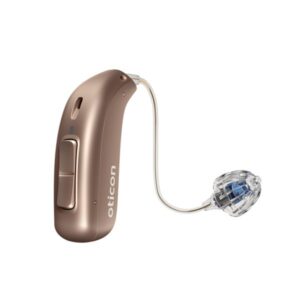
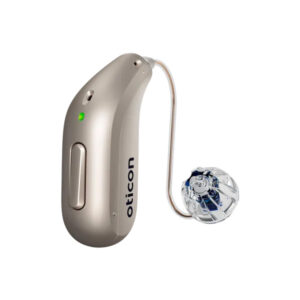
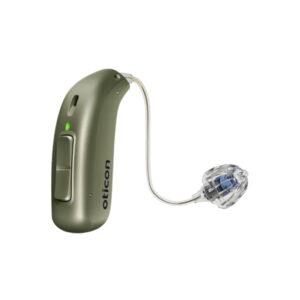
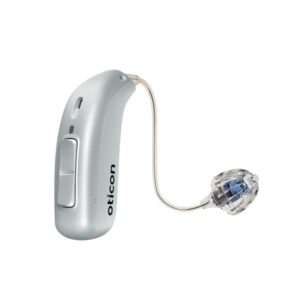
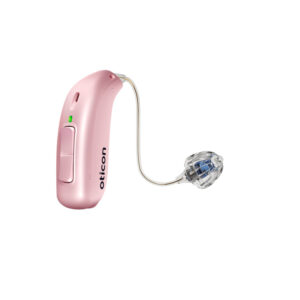
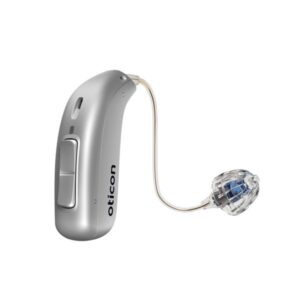
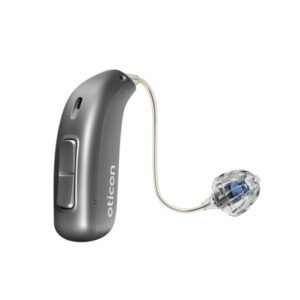
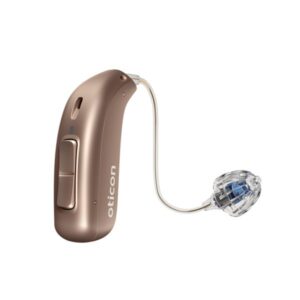
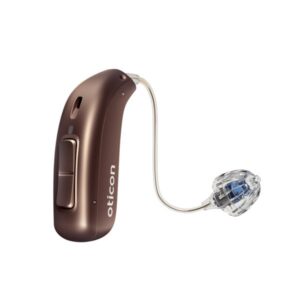
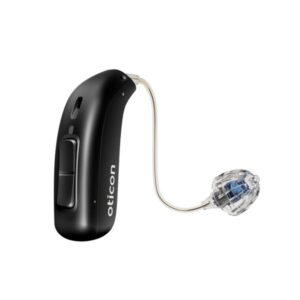
For those who cannot have surgery or prefer non-surgical options, hearing aids can amplify sound and improve hearing ability. Hearing aids are customizable to individual needs, with various styles and technologies available to suit different levels of hearing loss. They are particularly useful for those with mixed hearing loss, which includes both conductive and sensorineural components, providing a comprehensive solution to hearing difficulties.
Home Remedies and Prevention
While professional treatment is essential, some home remedies can support your hearing health:
- Avoid inserting objects into your ears, including cotton swabs: This can prevent accidental damage to the ear canal or eardrum, reducing the risk of conductive hearing loss.
- Keep your ears dry and clean to prevent infections: Ensuring proper ear hygiene and protecting ears from excessive moisture can help prevent conditions like swimmer’s ear, which can lead to hearing loss.
- Manage allergies to reduce ear congestion: Allergies can cause fluid buildup and inflammation in the ear, contributing to hearing difficulties. Managing allergies with medication or lifestyle changes can alleviate these symptoms.
Adopting preventive measures and maintaining ear health can reduce the risk of developing conductive hearing loss and support overall auditory well-being.
Living with Conductive Hearing Loss
Living with conductive hearing loss can be challenging, but many people find effective ways to manage it. Here are some tips to help you cope:
- Seek Support: Join support groups to connect with others who have hearing loss. Sharing experiences and learning from others can provide emotional comfort and practical advice for managing hearing loss.
- Use Assistive Devices: Devices like amplified telephones or alerting systems can help in daily life. These tools can enhance communication and ensure safety by making it easier to hear important sounds and alerts.
- Educate Others: Inform friends and family about your hearing loss to improve communication. Educating loved ones about your condition fosters understanding and encourages them to communicate more effectively with you.
By adopting these strategies, individuals with conductive hearing loss can enhance their quality of life and maintain active, fulfilling relationships and activities.
Conclusion: Enhancing Your Quality of Life with Oticon
Conductive hearing loss can impact your life, but with the right diagnosis and treatment, many people successfully manage or overcome it. Whether it’s through medical intervention, the use of hearing aids, or lifestyle changes, there are ways to improve your hearing and quality of life. If you’re experiencing symptoms, consider reaching out to a local audiologist in Castle Hill or your area for a comprehensive evaluation and personalised treatment plan.
Understanding the nature of conductive vs. sensorineural hearing loss is the first step toward taking control of your hearing health. Early intervention can significantly improve outcomes, so addressing hearing loss promptly can make a significant difference in your overall well-being and communication abilities. By prioritizing your hearing health, you can enhance your quality of life and maintain effective communication in all aspects of your daily interactions.