
Is Hearing Loss a Disability? What Sydney Residents Should Know
Book An Ear wax Removal for only $120
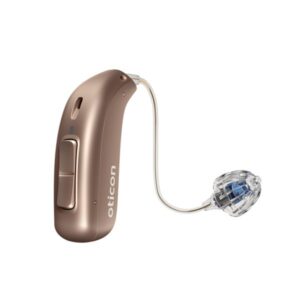
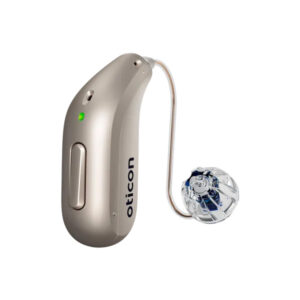
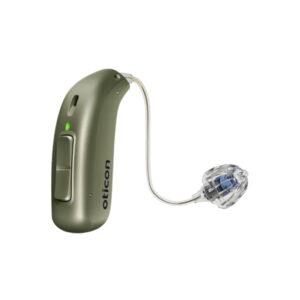
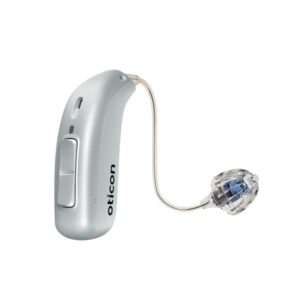
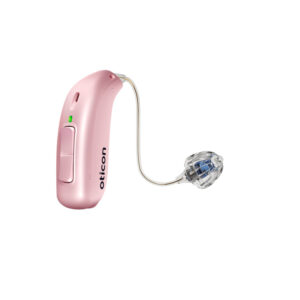
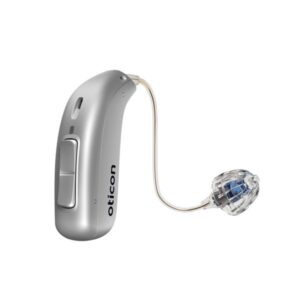
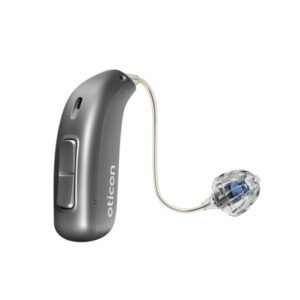
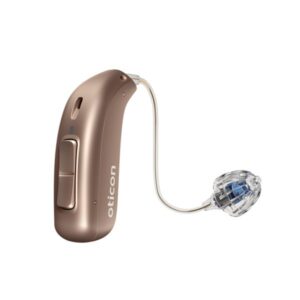
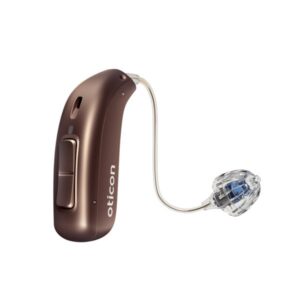
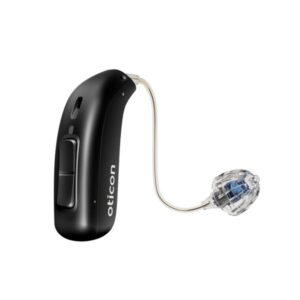
Many people who experience changes in hearing eventually ask the same question: is hearing loss a disability? The answer is not always straightforward. It depends on the level of hearing loss, how it affects daily life, and how disability is defined under Australian law.
Understanding this topic can help individuals make informed decisions about support, workplace rights and medical care.
What Is Hearing Loss?

Hearing loss happens when the ability to hear sounds clearly is reduced. It can develop slowly over time due to ageing, repeated exposure to loud environments, or certain medical conditions and injuries. In many cases, people do not notice the changes immediately because they occur gradually.
The severity of hearing loss can vary. Some individuals may only struggle to follow conversations in busy restaurants or crowded spaces. Others may find it difficult to hear speech even in quiet environments.
Australian media coverage has highlighted how common this issue is becoming. A 2GB report on Australia’s growing hearing loss crisis noted that audiologists are seeing increasing numbers of people affected by noise exposure and age-related changes, reinforcing the importance of early testing and prevention.
For some, hearing loss may feel manageable at first. For others, it can begin to affect communication at work, social participation and overall confidence.
How Is Disability Defined in Australia?
In Australia, disability is defined broadly. Under the Disability Discrimination Act 1992 (DDA), a disability includes total or partial loss of hearing, whether temporary or permanent.
This means that, legally, hearing loss can be recognised as a disability if it affects a person’s ability to participate fully in everyday life.
However, not every case automatically qualifies for government benefits or workplace adjustments. The degree of hearing loss and its functional impact are key factors.
Does Mild Hearing Loss Count?
Mild hearing loss may not always be classified as a disability in practical terms. If a person can function without significant difficulty, it may not meet eligibility thresholds for certain supports.
That said, even mild hearing changes deserve attention. Early identification can prevent further deterioration and improve long-term outcomes.
A professional hearing assessment can clarify the severity and guide next steps.
Workplace Rights and Hearing Loss
If hearing loss affects job performance, employees in Sydney are protected under anti-discrimination laws.
Employers are required to make “reasonable adjustments” when a disability affects workplace participation. This may include:
Assistive listening devices
Modified communication methods
Adjustments to meeting formats
Flexible working arrangements
Seeking guidance from an audiologist Sydney professional can provide documentation and recommendations to support these adjustments.
When Hearing Loss Becomes a Significant Disability
Hearing loss may be considered a significant disability when it interferes with:
Understanding speech clearly
Communicating in professional settings
Participating in social activities
Maintaining safety awareness
In these situations, intervention becomes essential.
A qualified Sydney audiologist can assess the type and degree of hearing loss, explain the results clearly, and recommend suitable management options.
The Emotional Impact
Beyond legal definitions, hearing loss can influence confidence and mental wellbeing. Many people report withdrawing from conversations because listening feels exhausting.
Recognising hearing loss as a legitimate health condition — and in some cases a disability — helps reduce stigma and encourages people to seek support early.
Assessment Is the First Step
If you are unsure whether your hearing changes qualify as a disability, a comprehensive hearing test is the best starting point.
A detailed assessment measures hearing thresholds across different frequencies and evaluates speech clarity. The results help determine whether intervention is recommended and whether formal documentation may be appropriate.
Early evaluation also opens the door to management options that improve daily communication.
Support and Management Options
Modern hearing technology and communication strategies have improved significantly. Options may include:
Digital hearing devices
Assistive listening systems
Tinnitus management support
Communication training
Many individuals find that proper management reduces the practical impact of hearing loss, even if it remains medically present.
Final Thoughts
So, is hearing loss a disability?
In Australia, it can be. The law recognises partial or total hearing loss as a disability when it affects participation in everyday life. However, classification depends on severity and impact.
If hearing changes are interfering with communication, work, or confidence, a professional assessment can provide clarity.
Understanding your hearing health is not just about labels. It is about ensuring you receive appropriate support and maintaining strong communication for years to come.