
How to Protect Your Ears During Air Travel
Book An Ear wax Removal for only $120
If you have ever stepped off a plane with your ears still blocked, or gripped your armrest during descent hoping the pressure would just pop and resolve, you are in good company. Ear discomfort during flights is one of the most commonly reported physical complaints associated with air travel, and yet it remains something that many people simply accept as an unavoidable part of flying.
The good news is that most flight-related ear discomfort is preventable. Understanding why it happens, and knowing which strategies to apply and when, can make a significant difference to how your ears feel before, during, and after your next flight. Here is what you need to know.
Why Air Travel Can Affect Your Ears

To understand how to protect your ears during air travel, it helps to understand why your ears are affected in the first place.
Cabin Pressure and the Middle Ear
Commercial aircraft are pressurised, but not to sea-level pressure. During flight, cabin pressure is typically equivalent to being at an altitude of around 2,000 to 2,500 metres above sea level. As the aircraft climbs and descends, this pressure changes, and those changes create a pressure differential between the outer ear canal and the middle ear space.
Under normal circumstances, the Eustachian tube, a narrow passage that connects the middle ear to the back of the throat, regulates this balance. When you swallow, yawn, or chew, the tube briefly opens and allows air to flow in or out, equalising the pressure on both sides of the eardrum.
During rapid altitude changes, this process can struggle to keep up. If the Eustachian tube does not open frequently enough, or if it is partially blocked due to congestion, the pressure imbalance builds. The eardrum is pushed or pulled by this differential, producing a sensation of fullness, muffled hearing, or in more significant cases, sharp ear pain during air travel.
Who Is Most at Risk
Some people are more susceptible to flight-related ear discomfort than others. Those with a current or recent cold, sinusitis, hayfever, or upper respiratory infection are particularly vulnerable, as inflammation can reduce Eustachian tube function considerably. Children are also more prone to ear discomfort during flights because their Eustachian tubes are shorter and more horizontally positioned than those of adults, making pressure regulation less efficient.
People who have recently had ear surgery, those with a history of middle ear problems, and those with perforated eardrums may also experience more significant symptoms during air travel and should seek specific advice before flying.
Wear Pressure-Regulating Ear Plugs
One of the simplest and most practical ways to protect your ears during air travel is to wear pressure-regulating ear plugs, also known as flight ear plugs. These are designed differently from standard foam ear plugs.
Rather than simply blocking the ear canal, flight ear plugs contain a small filter that slows the rate at which pressure changes reach the eardrum. This gives the Eustachian tube more time to equalise the pressure gradually, which reduces the sudden pressure differential that causes discomfort.
These plugs are available from most pharmacies and airport travel shops and are worth using during both take-off and landing, the phases of flight where pressure changes are most rapid. Insert them before the aircraft begins its descent, as the most significant pressure shift during landing tends to happen before you notice discomfort, not after.
It is worth noting that flight ear plugs reduce discomfort for many people but are not a complete solution for everyone, particularly those with Eustachian tube dysfunction or significant congestion. Combining them with the active techniques described below produces better results than relying on them alone.
Swallowing, Yawning and Gentle Pressure Equalisation
Active pressure equalisation techniques are among the most effective ways to manage ear pain during air travel, and they cost nothing. Several simple actions prompt the Eustachian tube to open briefly, allowing the pressure to equalise.
Swallowing is one of the most reliable options. Every time you swallow, the muscles around the Eustachian tube contract briefly and open the tube. Swallowing frequently during take-off and descent is one of the easiest ways to keep pressure balanced.
Yawning produces a similar effect and often provides more immediate relief than swallowing alone because the action involves a wider opening of the throat muscles.
Chewing gum is a practical option that encourages both swallowing and jaw movement throughout the flight, making it particularly useful for the descent phase.
Sipping water has a comparable effect to swallowing and has the added benefit of addressing the mild dehydration that can accompany cabin air.
The Valsalva manoeuvre involves gently attempting to exhale against closed nostrils and a closed mouth, which pushes air through the Eustachian tube and can equalise pressure quickly. It should be performed gently, as doing it forcefully carries a small risk of damaging the eardrum or middle ear. It is not recommended for people with an active ear infection or a perforated eardrum. If you are unsure whether it is appropriate for you, speak with your GP or audiologist before flying.
For children who are too young to perform these techniques reliably, feeding during take-off and descent, with a bottle, breast, or a drink in a sippy cup, encourages the swallowing action that helps equalise pressure.
Stay Hydrated Before and During Your Flight
Hydration plays a more important role in ear comfort during air travel than many people realise. The mucous membranes that line the Eustachian tube and the nasal passages function best when adequately hydrated. When these membranes dry out, they become less flexible and less efficient at opening and closing to regulate pressure.
Aircraft cabins are notoriously dry, with humidity levels often sitting below 20 percent during long-haul flights. This can accelerate dehydration even in passengers who arrive at the airport well hydrated.
To protect your ears during air travel through hydration, drink water consistently throughout the flight rather than waiting until you feel thirsty. Avoid excessive alcohol and caffeine, both of which have dehydrating effects. If you are prone to nasal dryness or congestion during flights, a saline nasal spray used before boarding and during the flight can help maintain moisture in the nasal passages and support Eustachian tube function.
Can Decongestants Help?
For people who frequently experience significant ear pain during air travel, or who are flying with a cold or sinus congestion, nasal decongestant sprays or oral decongestants are sometimes recommended to reduce swelling around the Eustachian tube opening and improve pressure regulation.
Nasal sprays containing xylometazoline or oxymetazoline can be effective when used according to the product instructions and taken around 30 to 60 minutes before take-off and descent. Oral decongestants are another option but take longer to act and carry a broader range of potential side effects.
Decongestants are not appropriate for everyone. They are generally not recommended for people with high blood pressure, cardiovascular conditions, certain thyroid conditions, glaucoma, or during pregnancy, and should not be used in young children without specific medical advice. If you are unsure whether decongestants are suitable for your circumstances, speak with your GP or pharmacist before your trip.
It is also worth noting that decongestant sprays should not be used continuously for more than a few days, as rebound congestion can develop with prolonged use.
Flying With Hearing Aids
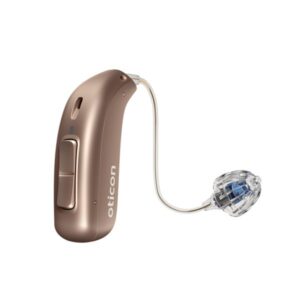
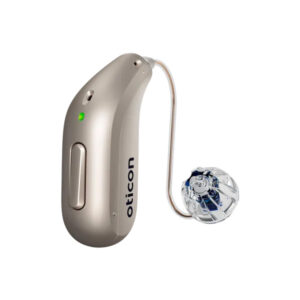
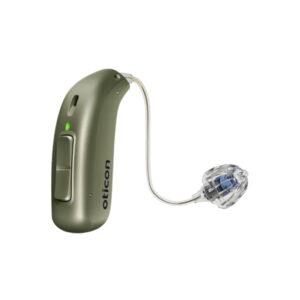
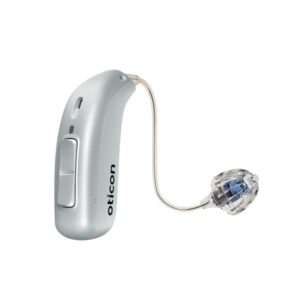
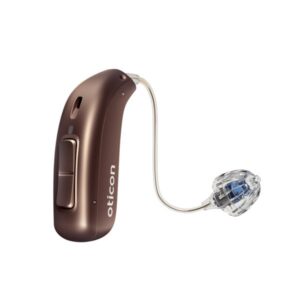
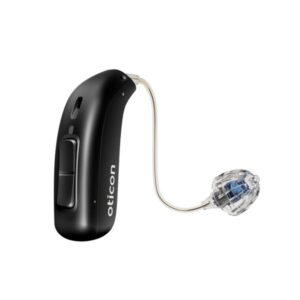
For hearing aid wearers, air travel raises a few additional practical considerations, though the good news is that hearing aids are generally safe to wear throughout a flight.
Most airlines permit the use of hearing aids during all phases of flight, as they do not emit radio frequencies that interfere with aircraft systems. If you are uncertain, check with your airline before travelling.
During a long flight where you may want to sleep, storing your hearing aids in their case rather than leaving them in your ears can prevent discomfort from prolonged contact and protect the devices from accidental damage. Keep the case accessible in your carry-on bag rather than packing it in checked luggage.
For rechargeable hearing aids, confirm that your charger is compatible with the power outlets available at your destination and on any stopover. A portable charging case can be a useful backup for long trips. If your devices use disposable batteries, carry spares and be aware that battery performance can be affected by extreme temperatures, including the cold in aircraft holds if devices are stored there.
After travel, particularly in humid destinations or following long-haul flights, a dry-and-store device or dehumidifying capsule can help remove moisture from hearing aids and extend their lifespan.
Travelling After Ear Surgery
If you have recently had ear surgery, flying requires particular care. The post-surgical ear may be more vulnerable to pressure changes, and in some cases flying too soon after a procedure carries a risk of complications including pain, bleeding, or disruption to the healing process.
The appropriate waiting period before flying after ear surgery varies depending on the type and extent of the procedure. Your surgeon or audiologist will provide specific guidance based on your individual recovery. As a general principle, never fly after ear surgery without first receiving clearance from your treating clinician.
If you have a trip planned and ear surgery is scheduled in the period beforehand, discuss the timing with your surgical team as early as possible to allow adequate planning.
When Should You See an Audiologist?
Some degree of ear pressure or muffled hearing during and immediately after a flight is common and typically resolves within a few hours of landing. However, there are circumstances where professional assessment is warranted.
Consider booking an appointment with an audiologist if you experience:
- Ear pain or discomfort that persists beyond a few hours after landing
- Hearing that remains muffled or reduced for more than a day following a flight
- A blocked sensation that does not resolve on its own
- New or worsening tinnitus following air travel
- Dizziness or balance disturbance after flying
- Recurrent ear problems with every flight
These symptoms may indicate Eustachian tube dysfunction, middle ear barotrauma, or another condition that benefits from clinical assessment. In some cases, ear wax build-up can compound the effects of pressure changes during flight, making symptoms more pronounced. An audiologist can assess the ear canal, evaluate hearing, and determine whether any treatment or further investigation is needed.
Hills Audiology in Castle Hill provides comprehensive hearing tests, microsuction ear wax removal, tinnitus assessment, and ongoing hearing care for patients across Sydney. No referral is required to book an appointment.
Conclusion
Most flight-related ear discomfort can be significantly reduced with the right preparation. Understanding how cabin pressure affects the middle ear, using pressure-regulating ear plugs, applying active equalisation techniques during take-off and descent, staying well hydrated, and seeking appropriate medical advice if you are congested or unwell before flying are all practical steps that make a real difference.
For hearing aid wearers, a few additional preparations will keep your devices comfortable and functioning well throughout the journey. And for anyone who has recently had ear surgery, always seek clearance before flying.
If you experience persistent ear symptoms after air travel, do not dismiss them. An assessment by a qualified audiologist can provide clarity and, in most cases, a straightforward resolution.
To book an appointment at Hills Audiology, call (02) 7226 5899 or visit www.hillsaudiology.com.au. Find us at Suite 4, 15 Terminus Street, Castle Hill NSW 2154.