
Top Hearing Aid Maintenance Tips from Local Sydney Audiologists
Book An Ear wax Removal for only $120
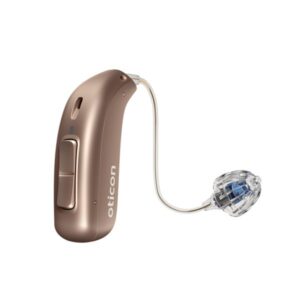
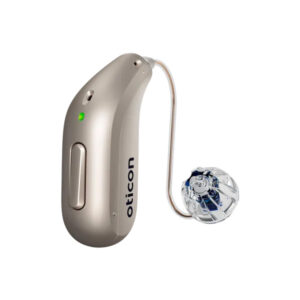
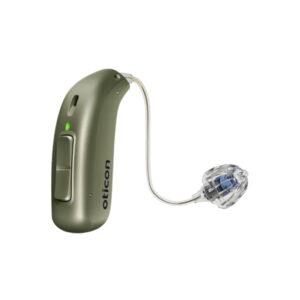
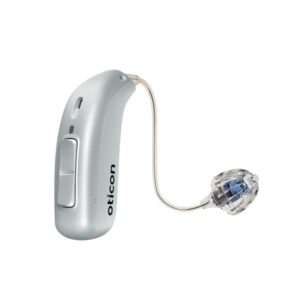
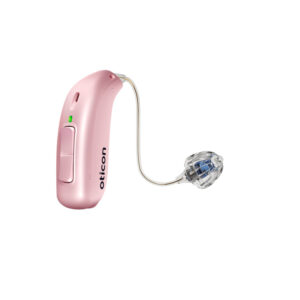
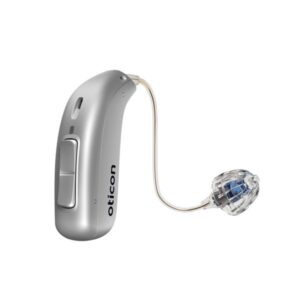
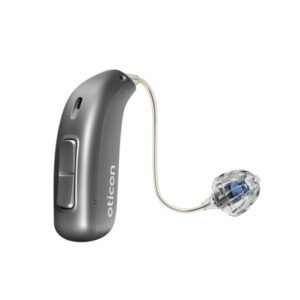
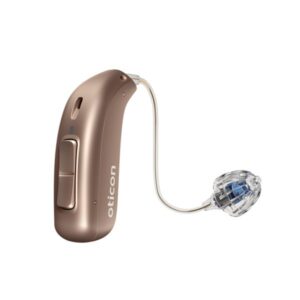
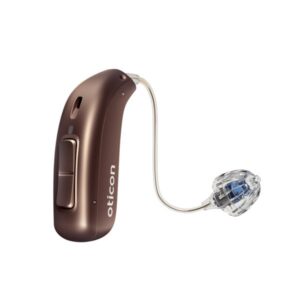
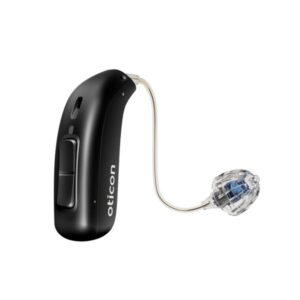

Hearing aid maintenance is one of the most important things you can do to keep your devices working at their best. These tiny tools help you hear the world clearly, but they also deal with daily wear and tear. From earwax and dust to moisture and battery issues, hearing aids face a lot. Whether you’re new to using hearing aids or have had them for a while, these habits can keep your devices clean, reliable, and long-lasting.
Why Regular Hearing Aid Maintenance Is Important
Because hearing aids are worn for many hours a day, they are exposed to things like sweat, oils, and environmental debris. Over time, these can block sound, shorten battery life, or damage sensitive components inside the device.
Regular hearing aid maintenance helps prevent these issues before they start. You’ll not only get better sound quality but also reduce the chances of needing costly repairs or replacements.
Clean Your Hearing Aids Daily
One of the easiest ways to stay on top of hearing aid maintenance is to clean your devices at the end of each day. Use a soft, dry cloth to wipe away any dirt or oil. If your audiologist provided a cleaning brush or small tool, gently remove any wax from the speaker and microphone openings.
Avoid using water or cleaning sprays, as they can damage the electronics inside. Cleaning before bedtime gives your hearing aids time to dry overnight, so they’re ready for the next day.
Protect Them from Moisture
Moisture is one of the biggest causes of hearing aid problems. Even a small amount of water can interfere with the electronics inside. Always take your hearing aids out before showering, swimming, or using hairspray. If you live in a humid area or sweat a lot, consider using a hearing aid dehumidifier overnight.
If your device ever gets wet, take the battery out straight away and leave the device open to air dry. Never try to speed up the process with a hairdryer, heater, or microwave, as that could cause permanent damage.
Keep an Eye on Your Batteries
Whether you use rechargeable or disposable batteries, it’s important to make sure your hearing aids always have enough power. For those using disposable batteries, you’ll usually need to replace them every few days, or when you hear a low battery warning.
If you have rechargeable hearing aids, try to charge them every night. It’s also a good habit to avoid letting the battery run flat too often, as this can shorten its lifespan. For devices with traditional batteries, leaving the battery door open overnight can help with airflow and reduce moisture build-up.
Travelling? Keep extra batteries with you just in case.
Change Wax Filters When Needed
Wax filters help stop earwax from entering the device, but they can become blocked over time. If your hearing aid sounds faint or has stopped working, a clogged wax filter could be the cause.
Changing your wax filter is a simple step in hearing aid maintenance. Most people need to do it every week or two, depending on how much earwax they produce. Your audiologist can show you how to replace the filter safely at home.
Visit Your Audiologist for Regular Check-Ups
Even with good daily care, it’s important to have your hearing aids professionally checked. Audiologists in Sydney recommend a clean and check service every six months. These visits often include deep cleaning, sound checks, adjustments, and updates to your device software if needed.
Don’t wait until something goes wrong. If your hearing aids aren’t sounding quite right or don’t seem to fit comfortably anymore, book an appointment sooner.
Ask your audiologist how often your hearing aids should be professionally cleaned and checked.
Handle Them with Care
Hearing aids may be small, but they are packed with delicate technology. When taking them out or putting them in, try to do so over a soft surface like a towel or bed, in case you drop them. Always store your hearing aids in a case when not in use, and keep them away from pets or young children.
If your hearing aid falls or is accidentally stepped on, it’s best to have it looked at by a professional, even if it seems fine at first glance.
Conclusion
Caring for your hearing aids doesn’t need to be complicated. A few small habits each day—like cleaning, drying, and safe storage—can help your devices perform better and last longer. Staying on top of battery care, wax filter replacement, and regular check-ups with your audiologist will also go a long way in protecting your investment.
If you’re ever unsure how to clean or maintain your hearing aids, don’t hesitate to ask your audiologist for guidance. With the right care, you can enjoy clear, comfortable hearing and avoid unnecessary breakdowns or costs.