
Should You Wear Hearing Aids All Day? Here's What Experts Recommend
Book An Ear wax Removal for only $120
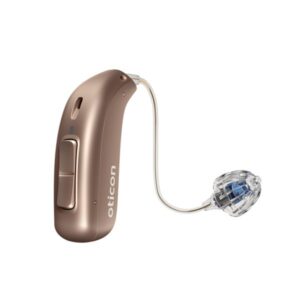
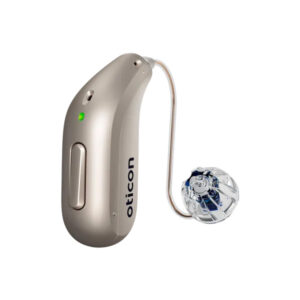
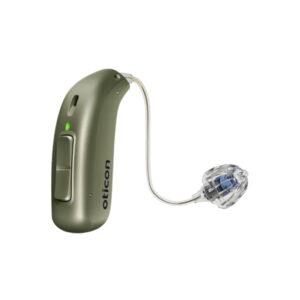
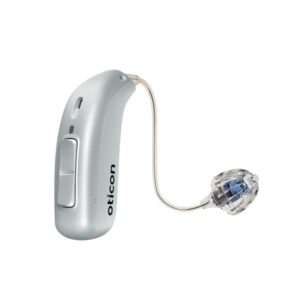
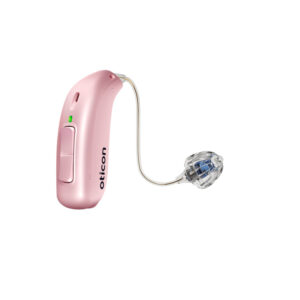
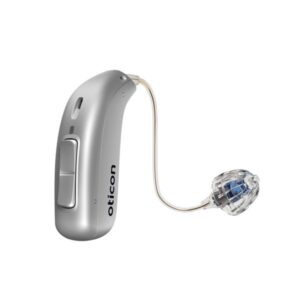
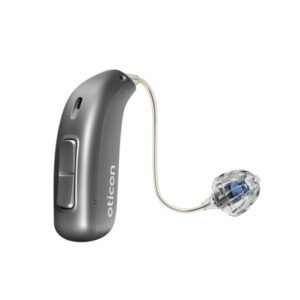
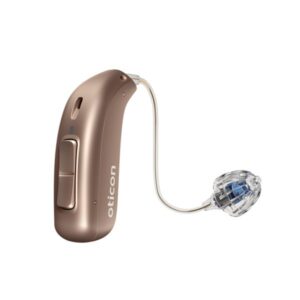
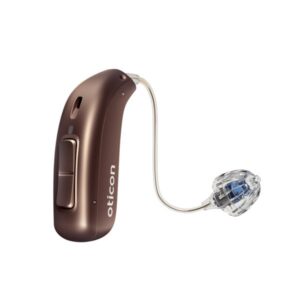
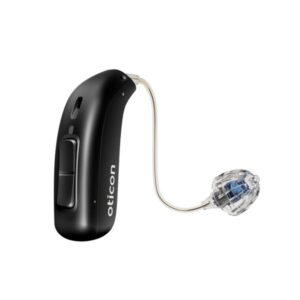
If you have recently started wearing hearing aids, you may be wondering whether you should keep them on all day or only wear them when you really need them. Some people only use their hearing aids when talking with family, attending church, going to restaurants, or watching television. The rest of the time, the devices stay in a drawer.
While this is a common habit, many hearing professionals encourage patients to wear hearing aids all day as part of their hearing rehabilitation. The reason goes beyond simply making sounds louder. Consistent hearing aid use helps your brain stay connected to the sounds around you and allows you to adapt more effectively to amplified hearing over time.
Why Do Some People Only Wear Hearing Aids Occasionally?

There are many reasons why people choose not to wear their hearing aids consistently.
Some new users feel overwhelmed because everyday sounds suddenly seem much louder than they remember. Others believe hearing aids are only necessary when they are having conversations or attending social events. Some people simply forget to put them on, while others worry they may become uncomfortable after several hours.
These reactions are completely understandable, especially during the first few weeks of wearing hearing aids. However, wearing them only occasionally may slow the adjustment process.
Why Consistent Hearing Aid Use Matters
Your ears collect sound, but your brain gives those sounds meaning. Every day, your brain processes speech, environmental noises, music, warning signals, and countless other sounds that help you understand and interact with the world.
When hearing loss reduces the amount of sound reaching the brain, everyday listening becomes more difficult. Hearing aids are designed to improve access to those sounds, helping people communicate more comfortably and remain engaged in daily activities.
Many audiologists recommend that patients wear hearing aids all day because regular exposure to amplified sound can help the brain adapt to hearing the world more naturally again. Rather than constantly switching between aided and unaided hearing, consistent use gives the brain more opportunities to adjust to the devices.
Hearing Aids Support More Than Conversations
It is easy to think hearing aids are only needed when talking with other people. In reality, hearing happens all day long. Birds singing outside, footsteps behind you, traffic, household appliances, and even subtle environmental sounds all provide information that your brain continually processes.
By wearing hearing aids throughout the day, you are supporting your ability to stay aware of your surroundings rather than only improving speech during conversations.
This is one reason many hearing professionals encourage patients to make hearing aids part of their normal daily routine.
What Does the Research Say?
Researchers have been studying the links between hearing loss, hearing aid use and brain health for many years. The findings are encouraging, but it’s important to understand what they do and don’t show.
The researchers were clear that this shows an association, not proof that hearing aids prevent dementia. Interestingly, the study found no difference in memory and thinking test scores between the two groups.
According to results from the ACHIEVE trial reported in 2023, a hearing intervention including hearing aids slowed cognitive decline by 48% in older adults at higher risk, though not across the whole study group.
Findings like these are promising, but many studies are observational. People who wear their devices regularly may also differ in other ways, such as their general health or social activity. It’s best to see hearing aids as one part of an overall hearing healthcare plan, rather than a guaranteed way to protect your memory.
How Long Should You Wear Hearing Aids Each Day?
For most people, the goal is to gradually build towards wearing hearing aids during most waking hours.
If you are a new user, your audiologist Sydney may recommend increasing your wearing time over several days or weeks while your brain adjusts to amplified sound. This gradual approach often helps reduce listening fatigue and allows you to become more comfortable.
Everyone’s adjustment period is different. Some people adapt within days, while others require several weeks.
The most important thing is to follow the personalised guidance provided by your audiologist rather than comparing your experience with someone else’s.
When Is It Appropriate to Remove Hearing Aids?
Although many professionals recommend consistent daily wear, there are situations where removing your hearing aids is appropriate.
These may include:
- Sleeping
- Showering or swimming
- Activities where the devices may become excessively wet
- Cleaning and maintenance
- Charging rechargeable hearing aids overnight
Outside of these situations, regular wear often provides the greatest opportunity for consistent listening and adaptation.
Tips for Wearing Hearing Aids Comfortably
If you want to successfully wear hearing aids all day, a few simple habits can make the experience easier.
Give Yourself Time
Your brain is learning to process sounds it may not have heard clearly for years. Patience is an important part of the adjustment process.
Keep Your Hearing Aids Clean
Regular cleaning helps maintain sound quality and prolongs the life of your devices. Follow your audiologist’s care instructions and attend routine servicing appointments.
Protect Them From Moisture
Store hearing aids in a dry location and use appropriate drying systems if recommended, particularly in humid environments.
Attend Follow-Up Appointments
Small programming adjustments can make a significant difference to comfort and listening performance. If your hearing aids sound too loud, too soft, or uncomfortable, speak with your audiologist rather than stopping their use altogether.
When Should You Speak to an Audiologist?
It’s a good idea to get in touch if you notice:
- You’re still struggling to adapt after several weeks
- Ongoing discomfort, soreness or itching
- Whistling or feedback, which may need hearing aid servicing [link: Hearing Aid Servicing page] or a refit
- Changes in your hearing, which may call for an updated adult hearing test [link: Adult Hearing Test page]
- Questions about your daily wearing schedule
If your hearing changes suddenly, seek help promptly from your GP or audiologist.
Finding the Right Routine for You
Many hearing professionals encourage consistent daily wear because it gives your brain steady access to sound, helps you adjust to amplification and builds confidence across different listening situations. Research into hearing aid use and brain health is promising, though it’s still evolving.
The best wearing schedule is the one tailored to you. If you’re looking for an audiologist Sydney residents can rely on for ongoing support, the team at Hills Audiology in Castle Hill can help you get the most from your devices. Book a hearing aid review or consultation today.