
Hearing Aids Prices Explained: What You’re Paying For
Book An Ear wax Removal for only $120
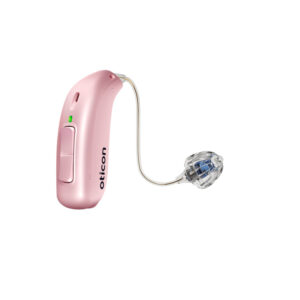
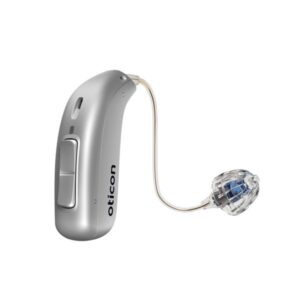
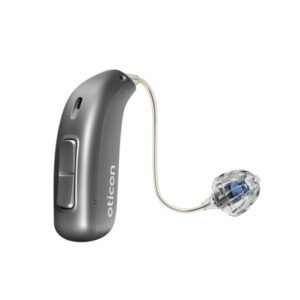
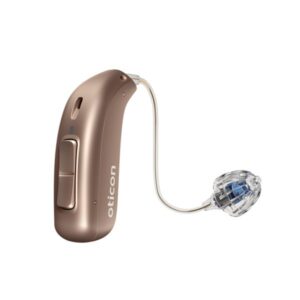
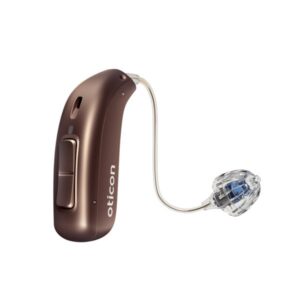
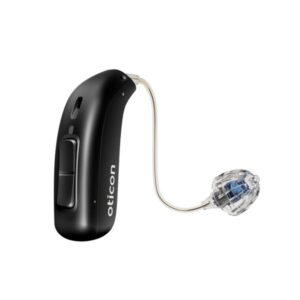
Why Are Hearing Aids So Expensive?
Many people are surprised when they first hear the cost of hearing aids. With prices ranging from $1,500 to over $6,000 per device, the sticker shock is real. But hearing aid prices aren’t arbitrary—they reflect the complex technology, ongoing support, and customisation involved.
Think of hearing aids not just as amplifiers, but as mini-computers. Today’s hearing aids use advanced digital processing to separate speech from noise, adjust to different environments, and even connect to your smartphone. And when you purchase one, you’re also paying for the expertise of your audiologist and the services included before, during, and after fitting.
What’s Included in Hearing Aid Prices?
When you purchase hearing aids in Sydney or Castle Hill, you’re paying for much more than the device itself. Most clinics bundle the following into the total cost:
1. Professional Hearing Assessment
Before any device is recommended, a licensed audiologist performs a detailed hearing test. This includes tone recognition, speech understanding, and middle ear evaluations to determine the type and degree of hearing loss.
2. Device Selection and Customisation
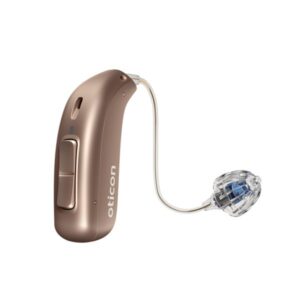
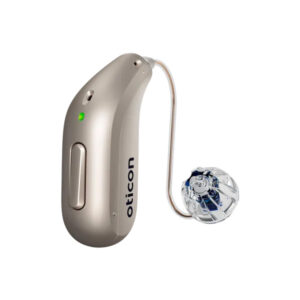
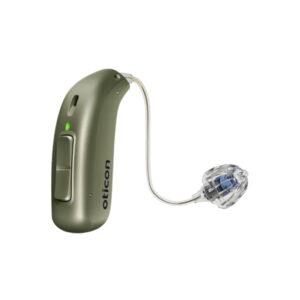
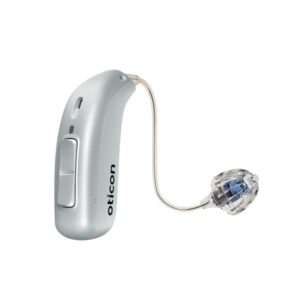
Not all hearing aids are the same. Your audiologist will help you choose the right style and technology level to match your lifestyle, budget, and hearing needs. Options range from invisible-in-canal (IIC) devices to powerful behind-the-ear (BTE) models with Bluetooth connectivity.
3. Ear Moulds and Fitting
Custom ear moulds may be required for comfort and performance. Fitting also includes programming the hearing aids to your specific hearing profile using specialised software.
4. Follow-Up Adjustments
Your brain takes time to adjust to hearing aids. That’s why follow-up visits are crucial. Most clinics include several weeks or months of free adjustments, where your audiologist fine-tunes the settings.
5. Maintenance and Support
Some hearing aid prices include a warranty, regular servicing, and free cleanings. Ongoing support ensures the device continues to work at its best.
6. Education and Training
Learning to use your hearing aids properly is key. Most audiologists offer tutorials on inserting, removing, cleaning, and connecting your device to accessories or apps.
Are Cheaper Hearing Aids Worth It?
With the rise of over-the-counter hearing aids and online sellers, you might be tempted by lower prices. While some lower-cost models can help mild hearing loss, they often lack the precision, comfort, and features of professionally fitted devices.
Online or retail hearing aids typically don’t include custom fitting or follow-up care—meaning you could end up with a poorly performing device that causes frustration instead of relief.
In contrast, audiologists in Castle Hill or Sydney offer a holistic approach that accounts for your unique ear anatomy, lifestyle, and long-term care needs.
Factors That Affect Hearing Aid Prices
1. Technology Level
Basic models may include directional microphones and limited noise reduction.
Advanced models feature Bluetooth streaming, AI-based adjustments, and rechargeable batteries.
2. Style and Size
Smaller devices, like completely-in-canal (CIC) or invisible-in-canal (IIC), often cost more due to the miniaturised technology.
3. Brand and Manufacturer
Different brands offer different features and pricing tiers. Some are known for sound clarity, while others lead in wireless or smart connectivity.
4. Inclusions and Bundles
Some audiology clinics offer unbundled pricing, where services like fittings or follow-ups are paid separately. Others use bundled pricing to include everything in one package.
Can You Claim Hearing Aids on Insurance or NDIS?
Yes. In many cases:
Private health insurance may cover part of the cost—check your extras policy.
NDIS participants can access funding for hearing aids and audiology services.
Pensioners and veterans: eligible clients can access fully or partly subsidised hearing aids through the Australian Government Hearing Services Program. Conditions apply under the Australian Government Hearing Services Program.
Your local audiologist in Castle Hill or Sydney can help guide you through the process and paperwork.

How to Get the Best Value for Your Money
Spending thousands on hearing aids is a big decision, so here’s how to make sure you’re getting value:
1. Choose an Independent Audiologist
Independent providers aren’t locked into selling specific brands. This means you’ll get unbiased advice and more personalised solutions.
2. Ask About Trial Periods
Many clinics offer 30 to 60-day trials. This allows you to test your hearing aids in real life before committing.
3. Consider the Total Package
Compare what’s included—fittings, repairs, servicing—rather than just looking at the sticker price.
4. Look for Ongoing Support
Make sure follow-up care is part of the deal. You’ll likely need multiple adjustments, especially in the first year.
Conclusion: Understanding Hearing Aid Prices Helps You Make the Right Choice
Hearing aid prices may seem high at first glance, but they reflect not just the technology—but the expert care and customisation that ensures success.
When you work with an experienced audiologist—especially in trusted locations like Castle Hill or Sydney—you’re not just buying a device. You’re investing in your hearing health, your confidence, and your ability to reconnect with the world around you.
Don’t be afraid to ask questions, compare options, and explore what’s right for your ears and your budget. Great hearing is worth it.