
Hearing Aids for Children That Last
Book An Ear wax Removal for only $120
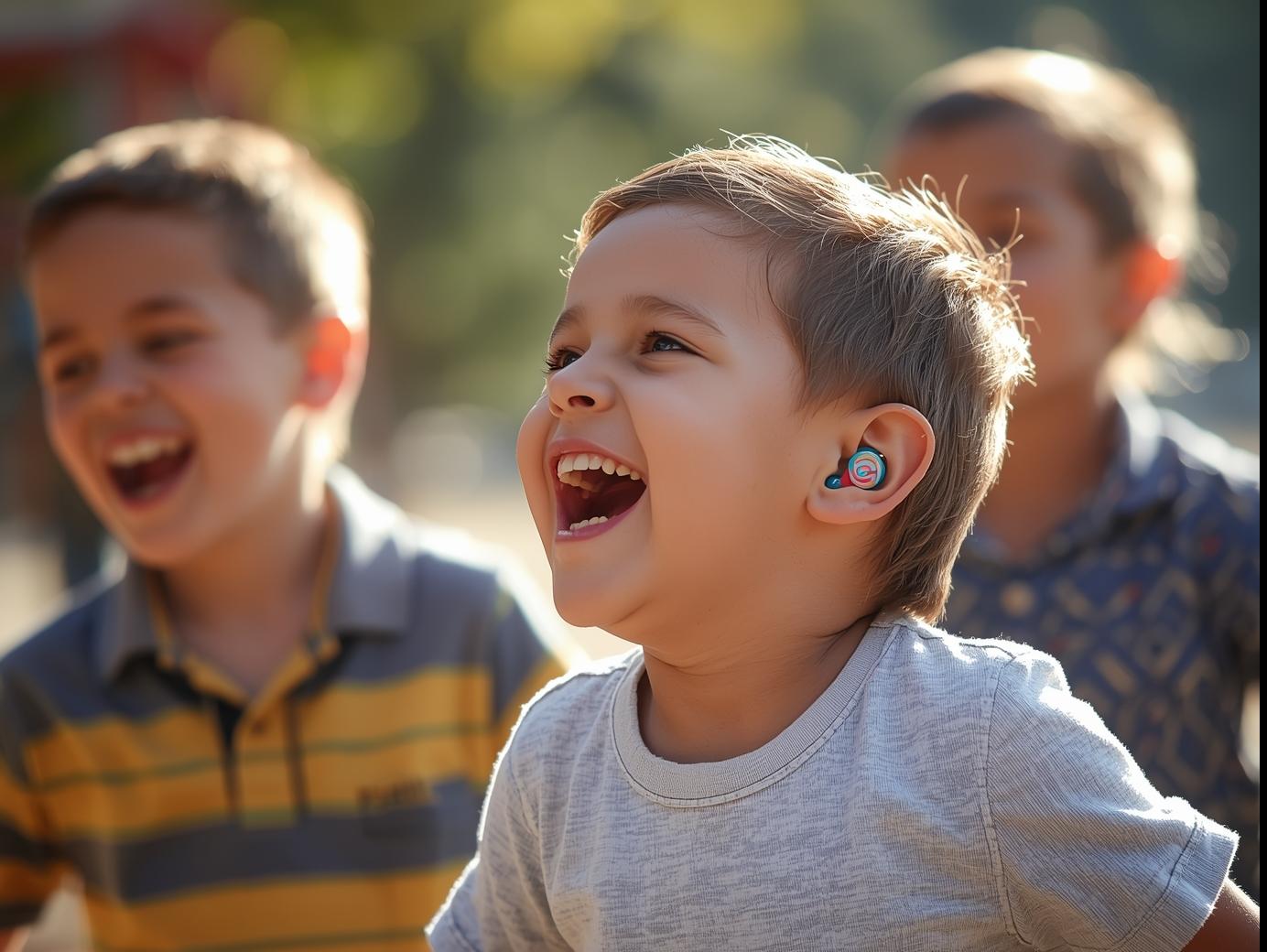
Why Hearing Aids for Children Need Extra Care
Hearing aids for children do much more than support sound; they help kids connect, learn, and grow. But they also need to survive rough play, active days, and a whole lot of unpredictability. That’s why the design and testing process for pediatric hearing aids is much more rigorous than for adult models.
In this article, we explore how hearing aids for children are tested for durability, built with safety in mind, and designed to support young users in real-world situations—from classrooms to playgrounds and everything in between.
Why Durability Matters in Hearing Aids for Children
Children are energetic, curious, and always on the move. It’s no surprise that their hearing aids are often dropped, handled roughly, or exposed to water and dirt. Devices made for adults aren’t built for the chaos of childhood.
Hearing aids for children must withstand day-to-day challenges without compromising on sound quality or safety. That’s why manufacturers like Oticon test them extensively to ensure they’re not only effective but also resilient.
How Hearing Aids for Children Are Rigorously Tested

To ensure long-lasting performance, pediatric hearing aids undergo some of the most intensive testing in the industry. These tests simulate real-life situations that kids encounter daily:
Drop tests: Devices are dropped from over a metre high, repeatedly and from different angles, to see how they hold up.
Water exposure: Although not designed for swimming, the hearing aids are tested to resist moisture from sweat, rain, or accidental splashes.
Temperature changes: From warm playgrounds to cold classrooms, these devices are made to handle sudden temperature shifts.
Humidity and sweat: High humidity and sweat can damage electronics, so testing includes these conditions as well.
Dust exposure: Devices are placed in fine powder to test resistance to dust and debris.
Button stress: Battery doors and control buttons are tested for thousands of cycles to ensure they won’t break from repeated use.
This level of testing gives parents peace of mind, knowing the devices are ready for whatever their child’s day may bring.
Built-In Safety Features for Young Users
Hearing aids for children need to be safe, especially for toddlers and younger users who are still learning what not to touch. That’s why safety is a major focus in their design.
Features often include:
Tamper-resistant battery doors to prevent accidental swallowing or misuse.
Soft, skin-safe materials that avoid common allergens and are comfortable to wear.
LED indicators on some models that make it easy for parents and teachers to see if the device is working properly.
These built-in protections help ensure both the safety and usability of the hearing aids, while also making it easier for adults to manage them.
Helping Children Learn and Communicate
Beyond durability and safety, hearing aids for children are designed to support growing minds. Childhood is a critical time for language development and learning, and the right hearing support can make a significant difference.
Modern pediatric hearing aids come with:
BrainHearing™ technology that helps children process sounds more naturally.
Noise reduction features that make it easier to hear speech in busy places like classrooms or birthday parties.
Customisable styles and colours that help kids feel proud to wear them.
Accessory support such as EduMic, which allows teachers’ voices to stream directly to the hearing aids in noisy classroom environments.
For children with more profound hearing loss, models like Oticon Xceed Play offer powerful amplification while reducing distortion and feedback. This means clearer sound with less effort, helping kids stay focused and confident in conversations.
Support for Parents and Caregivers
Choosing the right hearing aids for children isn’t just about the technology but also about ongoing support.
Audiologists can help parents with:
- Fitting and customisation
- Regular checkups and performance checks
- Adjustments as the child grows or their hearing needs change
- Training on how to care for and clean the devices
- Advice on using accessories and apps to manage hearing in different environments
Parents are also supported with educational materials and sometimes mobile apps that make managing hearing aids simpler day to day.
Everyday Confidence, Backed by Testing
With all the testing and technology behind them, hearing aids for children are made to be more than just durable—they’re made to keep up with a child’s life.
Whether your child is climbing trees, attending school, joining in sports, or just being their energetic self, their hearing aids need to slow down to support their development. Knowing that these devices have been drop-tested, moisture-tested, and stress-tested provides families with extra reassurance.
And for kids, that means more confidence to speak, listen, and connect without fear of missing out.
Conclusion
Hearing aids for children aren’t just smaller versions of adult models—they’re specially built for young, active lives. Through advanced testing and child-focused design, these devices offer durability, safety, and sound quality that support growth, learning, and social connection.
If your child needs hearing support, speak with an audiologist about the options available. From toddler-friendly designs to tech-savvy solutions for school-age kids, there’s a hearing aid built to meet your family’s needs.