
Professional Ear Cleaning in Castle Hill: What You Need to Know
Book An Ear wax Removal for only $120
Ever feel like you’re living underwater, even when you’re just walking down Old Northern Road? That muffled sensation isn’t just annoying; it’s usually your ear signalling a blockage. While we often dismiss ear wax (cerumen) as dirt, medical professionals recognise it as a vital protective shield that traps dust and repels water.
Your ear canal usually functions like a self-cleaning oven, naturally expelling old material. Unfortunately, factors such as local humidity or frequent AirPod use can disrupt this conveyor belt, leading to impacted cerumen. Common indicators include a persistent feeling of fullness or muffled hearing that simple yawning won’t fix.
Ignoring these warning signs often turns minor irritation into unnecessary pain. Recognising why the “self-cleaning” mechanism fails helps clarify how clinical care safely restores your clarity.
The Hidden Dangers of the Bathroom Mirror: Why DIY Ear wax Removal Fails
It’s a familiar scene in bathrooms across the Hills District: reaching for a cotton bud to tackle that muffled, blocked feeling. However, your ear canal is actually designed like a slow-moving conveyor belt. This natural process, technically known as epithelial migration, constantly moves old skin and wax from the eardrum outward toward the ear opening, effectively cleaning itself without manual assistance.
When you insert a swab, you interrupt this delicate flow. While you might see a small amount of yellow on the tip, you are mostly shoving the bulk of the debris back down the canal. This creates a dense, hardened plug against the eardrum—a condition called mechanical impaction. Instead of clearing the path, this creates a wall that traps moisture and bacteria, turning a minor annoyance into a painful blockage.
Despite the warnings, many residents still rely on outdated home remedies that often worsen the issue:
Cotton Buds: Compress the wax deeper, increasing pressure and further dampening hearing.
Ear Candles: A proven clinical myth; they fail to create real suction and risk causing burns or depositing hot wax inside the ear.
Hairpins or Pen Lids: Scratch the delicate canal skin, inviting bacterial infection (Otitis Externa).
Olive Oil Drops (Overuse): Can turn hard wax into a sticky sludge that is harder to remove without professional care.
Protecting your hearing means abandoning these risky, blind attempts. If natural migration stalls, the safest solution isn’t in your bathroom cabinet, but in a method that allows a specialist to actually see what they are doing before they clean. This distinction is crucial when comparing the modern gold standard with older methods such as water syringing.
Microsuction vs. Syringing: Choosing the Gold Standard for Ear wax Removal in Sydney
Seeking professional help often leads residents to a general practitioner for water irrigation, but modern standards have shifted significantly. The critical difference lies in visibility: unlike older techniques that blindly flush the canal, advanced care requires seeing exactly what is happening inside the ear. This distinction is the primary reason why the preference for an audiologist vs. a GP for ear cleaning has largely settled in favour of specialised clinics.
Traditional “syringing” involves pumping pressurised water into the canal to flush out debris, a process that can be uncomfortable and carries inherent risks. Because the practitioner cannot visually track the water behind the blockage, there is a higher chance of aggravating an undetected eardrum perforation. Consequently, many experts have moved away from this wet, pressurised approach to avoid the risk of infection or trauma from the force of the liquid.
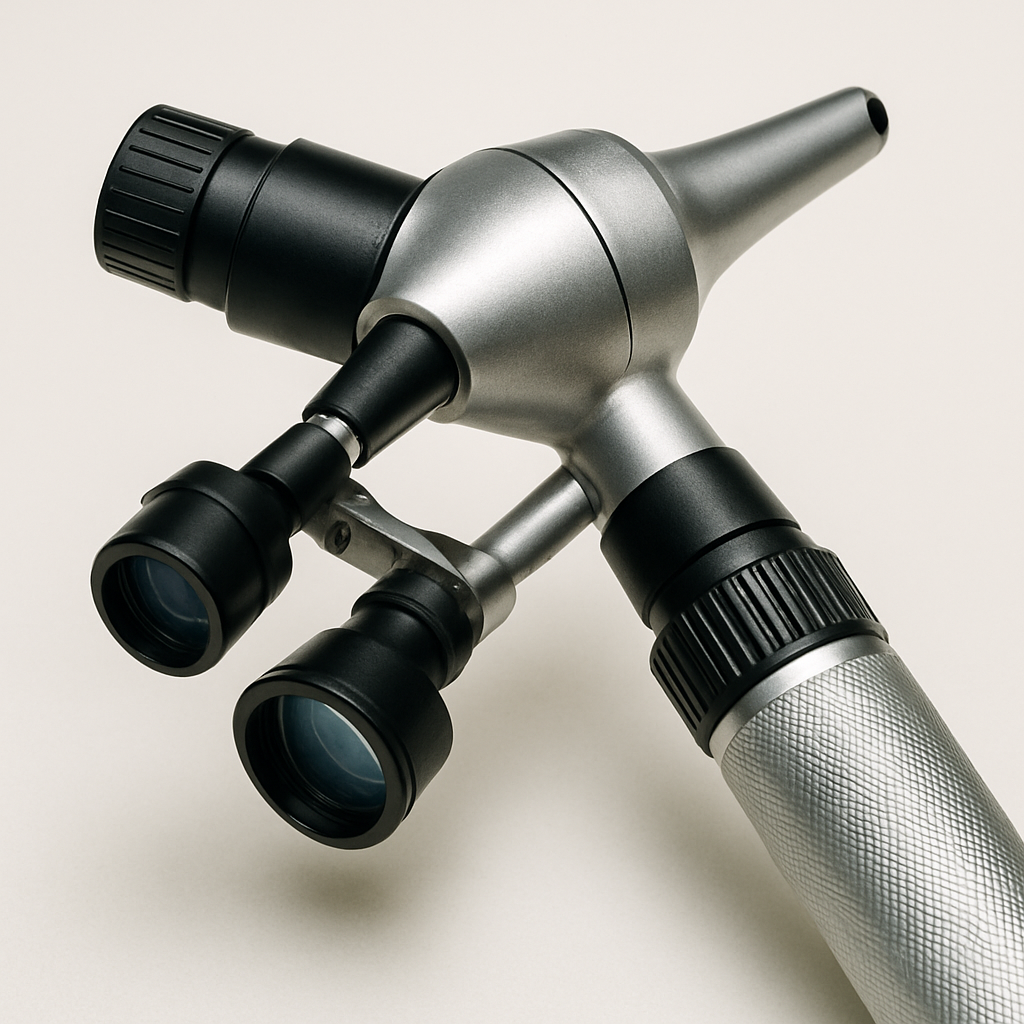
Microsuction ear cleaning reverses this dynamic by using a gentle, medical-grade vacuum to extract wax without any liquids entering the ear. The defining feature of this method is the use of high-powered surgical loupes, which provide the clinician with a magnified view of the canal. This visualisation ensures the benefits of clinical ear microsuction include pinpoint precision, keeping the delicate skin untouched while the blockage is targeted directly.
Such safety advantages make this the “Gold Standard” for anyone with a history of ear surgeries or sensitive canals. Residents seeking microsuction ear wax removal in Castle Hill can expect a dry, hygienic process that offers immediate clarity without the mess of water. Once you have booked your appointment, a few simple steps beforehand will ensure the procedure is as quick and effective as possible.

Preparing for Your Appointment: How to Get the Best Results at a Hills District Hearing Clinic
Walking into a Castle Hill clinic is much easier when you have done a little homework to streamline the process. While microsuction is powerful, the best method to remove hardened ear wax actually begins at home, two days before you even see the specialist. Think of stubborn wax like dry clay; if we try to remove it immediately, it can be resistant and tricky to dislodge. However, adding a specific type of moisture turns that “clay” into something soft and pliable, ensuring your visit is quick and completely comfortable.
To ensure a smooth experience, follow this simple routine for the 48 hours leading up to your booking:
Use olive oil spray: You don’t need harsh chemical solvents; pharmaceutical-grade olive oil (like Earol) works perfectly to lubricate the canal.
Apply twice daily: Tilt your head and administer 1-2 sprays into the affected ear, then lie on your side for 5 minutes to let gravity do the work.
Avoid cotton buds: While softening the wax, strictly resist the urge to poke it, as this will only pack the softer material tighter against the eardrum.
Once you are in the chair, the actual procedure is surprisingly fast, typically taking only about 15 minutes. A common concern is “Is professional ear cleaning painful?” It is generally painless, though you might experience a strange sensation known as the Arnold’s Reflex. Because a branch of the Vagus nerve rests just under the skin of your ear canal, the suction can sometimes tickle this nerve, causing an involuntary urge to cough. This is a completely normal, harmless reaction that your clinician expects and can manage easily.
Communication is the final key to a great outcome. Don’t hesitate to ask your audiologist in Sydney specific questions, such as how to prevent future buildup or whether your ear anatomy makes you prone to blockages. With the wax softened and the procedure finished, you are ready to experience the immediate change in your sensory world.
Instant Clarity: The Surprising Benefits of Professional Cleaning Beyond Just Better Hearing
Many residents discover that tinnitus relief after wax removal is a welcome, unexpected bonus. Impacted wax puts physical pressure on the eardrum, which the brain may interpret as noise. Using precise hearing clinic ear cleaning technology to decompress the canal can often help restore clearer, more comfortable hearing. This clearance is equally vital for hearing aid users, as blockages frequently cause feedback loops that distort sound quality.
Professional publications in the field of ENT and audiology emphasise that ear wax removal should be performed by appropriately trained clinicians. Industry discussions highlight that proper training, clinical governance, and a strong understanding of ear anatomy are essential for reducing risks and ensuring patient safety. This reinforces why seeking professional ear cleaning is important rather than attempting removal at home.
Recognising these signs, you may need professional ear cleaning to protect your hearing, but safety relies on one final rule. The most critical aftercare tip following ear microsuction is keeping the ears dry for 24 hours. Since showering can temporarily reduce the ear canal’s natural protective barrier, avoiding water exposure allows the skin to recover and maintain its natural defences before returning to daily activities.
Restoring Your World in Castle Hill: Your Path to Clearer Hearing
You no longer need to tolerate that muffled, underwater sensation or risk injury with cotton buds. By choosing a qualified audiologist, you ensure the process is as safe as it is effective. Having the full picture of Professional Ear Cleaning in Castle Hill means you can finally abandon dangerous DIY habits for good.
If you wear hearing aids, aim for a check-up every six months to maintain peak performance. For everyone else, don’t wait for a total blockage. The cost of ear cleaning services in the Hills District is a small investment for instant relief. Book a local appointment today and step back into the world with total clarity.